
Craig Brewer on “Song Sung Blue,” Hugh Jackman & The Power of Neil Diamond

Based on the Greg Kohs 2008 docudrama of the same name that Craig Brewer (Hustle and Flow, Dolemite Is My Name) saw over a decade ago, Song Sung Blue is a delightful portrait of two down-on-their-luck singer musicians Mike and Claire Sardina (Hugh Jackman and Kate Hudson) who form a joyous Neil Diamond/ Patsy Cline combo tribute band called Lightning & Thunder. Brewer spoke with Creative Screenwriting about re-energizing the story of two married musicians who love Neil Diamond as much they love each other.
Song Sung Blue originally started as a docudrama in 2008. What inspired you to reinvigorate this story?
It’s important to share how I first experienced the movie, which was at a film festival in Memphis, Tennessee, called Indie Memphis. There weren’t many people in attendance, which reminded me of the early days of my own films — going to smaller festivals with sparse audiences.
When I watched the film, I immediately fell in love with the characters and the story. I began reaching out to people, asking, “If you have an hour and 20 minutes, can I show you this documentary, Song Sung Blue?” It was an obscure film that most hadn’t heard of, but I was captivated. After viewing, people would respond positively, often asking if I wanted to make it into a movie.
Eventually, my career took a turn. I started working in television for Lee Daniels on Empire, writing and directing episodes. That experience was transformative for me. It opened my eyes to the potential of television as a storytelling medium. Following that, I was involved in developing the film Dolemite Is My Name. Once those campaigns wrapped up, I found myself at a turning point, ready to create something that felt truly mine and meaningful.
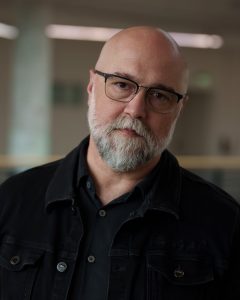
Craig Brewer. Photo by Jamie Harmon
This realization came shortly after reaching the age my father was when he passed away from a heart attack at 49. I began reflecting on the preciousness of time, which deepened my desire to bring this project to life. Losing a parent at a young age can have a lasting impact, shaping your worldview and influencing the stories you want to tell.
It instilled in me a sense of urgency and a profound understanding of life’s fragility. The lessons I learned through personal experiences became a vital part of the storytelling process. I wanted this film to reflect not just the struggles of its characters, but also the beauty and resilience that can arise from adversity.
While I was working on Hustle & Flow, I faced numerous rejections when pitching it. It was a similar world — trying to convey a meaningful story when faced with skepticism. We approached every studio, and we received countless emphatic “no’s.” Many executives thought the documentary was too depressing or didn’t resonate with what they believed audiences would want to see.
I was frustrated because I saw the story as beautiful and inspiring. In addition to my anger over the negative responses, my ego played a role as well. I remembered pitching another project called Dolemite Is My Name about a pimp trying to make rap music while surrounded by three hookers, and I faced a slew of rejections for that too. Studios often shy away from characters they deem unrelatable or unsavory.
Ultimately, it became critical to demonstrate to the studios that this was a compelling project worth pursuing. To do that, I understood I needed to attach a star to it. Yet, as much as I had dreamt of this, I faced the hard reality when they would look at me and say, “Okay, where’s the check?” That realization of the business side of filmmaking hit hard.
Discuss your relationship with Greg Kohs and his expectations for the movie version of his documentary.
The dynamic was intriguing. I had loved his movie for years, and I knew that Greg would be protective of the material. So, I reached out acknowledging that concern upfront, saying, “I get it — you’ll want to be a part of this project, and I want you to be. I want to share the script with you and get your thoughts.”
My approach wasn’t to treat it like a license where he would never hear from me again. I sought his involvement in the creative process and invited him to come to the set, wanting him to feel acknowledged for the monumental effort he had contributed to the original. I was clear about my intent to honor the original story while still allowing it to evolve.
Once Greg recognized that my intentions were sincere, he became incredibly supportive. He contributed valuable insights and connected me with many of the key players in the original story’s development. His enthusiasm for the project reassured me that we were on the right path.
I wanted Greg to feel he was a part of this process rather than just a spectator to his own creation. It was essential to me that we treated the original material with respect and care.
What led you to cast Hugh Jackman and Kate Hudson as Mike and Claire Sardina?
Casting Hugh and Kate was a critical part of the storytelling. Both actors bring immense talent and charisma, which really help to breathe life into Lightning & Thunder. Hugh Jackman, with his incredible range, is adept at conveying complex emotions, making him a perfect fit for Lightning. He can communicate vulnerability, while still embodying strength.
On the other hand, Kate Hudson adds a sense of warmth and depth to Thunder. Her ability to connect with audiences is invaluable. When you have actors who genuinely care about their characters, it elevates the entire story. Both actors have an understanding of music, which plays a vital role in their performances and the characters’ journeys.
Do you view Song Sung Blue as a musical?
You know, it’s very interesting, the evolution of these genres. I see music biopic as one genre that includes song and dance, but that’s not really the kind of movies I make. I like to give people that same thrill that musicals give you, but usually in a more grounded narrative of like we’re in a rehearsal, in a recording studio, at a performance. I like those kind of rhythmical changes, but it is tricky because it is a biopic about people impersonating someone.
How involved were you in the music selection and for this film?
Music is truly the heartbeat of Song Sung Blue. From the conception of the project, I understood we needed to create a sound that felt authentic to our characters and their stories. I collaborated closely with composers and music supervisors to curate a soundtrack that enhances the film’s emotional depth.
We aimed for a blend of original composition and existing songs that could genuinely reflect the experiences of Lightning & Thunder. The music needed to resonate on multiple levels — expressing joy, sorrow, and resilience throughout their journey.
Music transcends language; it connects us all. I wanted to incorporate it in such a way that it conveyed the highs and lows of their experience, that it was a character in its own right, intertwining with the narrative and enhancing the emotional stakes.
Working with musicians who understand how to tell a story through sound is invaluable. Our goal was to weave music into the fabric of the story so that it would feel inseparable from the characters’ journeys. Each note had to reflect the individual struggles and triumphs of Lightning & Thunder.
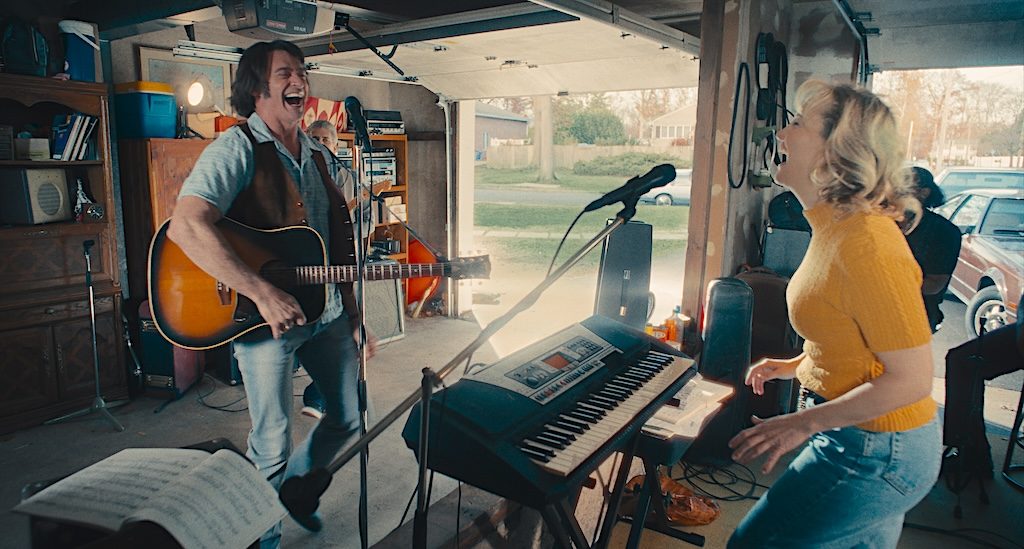
Mike Sardina (Hugh Jackman) and Claire (Kate Hudson) Photo courtesy of Focus Features
Describe Mike and Claire Sardina’s attitude to life.
I think the great thing about Mike is that you have somebody who probably has seen some really horrible things in his life. He was a Vietnam vet. I can’t think of anything worse than being a tunnel rat in Vietnam. And then to come back home, he was maybe a little bit crazy. There’s a music producer called Sam Phillips who I told Hugh that I was thinking about a lot. This music producer discovered Elvis and B.B. King and Howlin’ Wolf. And he had a certain madness. He was kind of a wild man.
When I would talk to Claire, she said, “I loved him. I wanted to be backing him up. I’m so happy that I got to sing, but I wanted to be there.” Then he was suddenly ripped from her. And through that journey, she ultimately needed to find her way back. And then she kind of becomes more of the leader. And having to learn to walk and having to learn to do all of the heavy lifting of being a mother again. I just found her to be so inspiring. I think that the reason that so many people are responding to her is that they see a lot of themselves in her.
Can you share any behind-the-scenes moments or challenges you faced during filming?
There were many memorable moments. One that particularly stands out was during a scene where Lightning & Thunder are performing together for the first time. The energy on set was electric, and everyone could feel the weight of the moment. We rehearsed extensively, but when it came time to capture it on camera, it was like the magic of live performance manifested. The actors fed off each other’s energy, and we all ended up sharing in that moment of pure joy.
We hit a few bumps along the way, as happens in any production. Early on, we faced challenges with timing and weather constraints. We had scheduled a key scene to be shot outdoors, but we were met with unexpected rain. For a brief moment, we all felt deflated. However, we adapted quickly. We utilized the rain to create an atmosphere that added depth to the scene, resulting in a moment that turned out beautifully.
It was a testament to the resilience of our entire crew. Instead of allowing the weather to hinder us, we found a way to work with it, which was a critical theme for our film. The spirit of collaboration and creativity among the cast and crew was inspiring, and I believe that energy translated on screen.
What do you hope audiences will take away from Song Sung Blue?
I hope that audiences walk away feeling inspired and hopeful. At its core, this film is about resilience, passion, and the universal power of music to connect us. While it does delve into some heavy themes, there’s an underlying sense of triumph and connection that I believe resonates with everyone.
The challenges that Lightning & Thunder face mirror many of our own struggles. I want viewers to feel empowered to pursue their dreams and embrace the beauty of human connection, regardless of the obstacles they encounter.
I truly believe we’re living in a time where we could all use a reminder of the importance of hope and resilience, and this film offers that in its narrative and its music.
I believe that films can spark conversations and evoke emotions, and Song Sung Blue aims to contribute meaningfully to that dialogue. We’re all navigating through challenging times, and storytelling can provide both an escape and a reflection of our collective experiences.

Join the Discussion!


Browse our Videos for Sale
[woocommerce_products_carousel_all_in_one template="compact.css" all_items="88" show_only="id" products="" ordering="random" categories="115" tags="" show_title="false" show_description="false" allow_shortcodes="false" show_price="false" show_category="false" show_tags="false" show_add_to_cart_button="false" show_more_button="false" show_more_items_button="false" show_featured_image="true" image_source="thumbnail" image_height="100" image_width="100" items_to_show_mobiles="3" items_to_show_tablets="6" items_to_show="6" slide_by="1" margin="0" loop="true" stop_on_hover="true" auto_play="true" auto_play_timeout="1200" auto_play_speed="1600" nav="false" nav_speed="800" dots="false" dots_speed="800" lazy_load="false" mouse_drag="true" mouse_wheel="true" touch_drag="true" easing="linear" auto_height="true"]







You must be logged in to post a comment Login