
Mona Fastvold Interview: Reimagining Shaker History as a Radical Musical in “The Testament of Ann Lee”

Our film is a retelling of the life of the extraordinary true legend Ann Lee, one of the few female religious leaders of the 18th century. She and her followers, known as the Shakers, worshipped through ecstatic song and movement — trembling, exuberant, and physically expressive acts of devotion. — Mona Fastvold
It all began for award-winning filmmaker Mona Fastvold (The Brutalist) when she discovered a Shaker hymn called Pretty Mother’s Home. This led her to Ann Lee and the utopian community she sought to create in 1758 when she traveled to America. Mona sat down with Creative Screenwriting Magazine to discuss her inspiration and creative process for the film she co-wrote with husband Brady Corbet.
Describe the process of creating The Testament of Ann Lee.
I think what made this project unique was the approach to writing a piece filled with music and movement. It presented an exciting challenge since typically, Brady and I write screenplays that are quite detailed manuals that serve as blueprints for every aspect of the film – including camera angles, lenses, and musical cues.
With this project, I knew some exploration would happen during workshops and rehearsals, so I had to create space within the script for that flexibility. Collaborating closely with our composer, Daniel Blumberg, also allowed us to deep dive into the music, which required leaving certain aspects of the script more open. That was both interesting and challenging.
There was also the challenge of telling a story about a real person. We hadn’t done that before, so diving into research and learning as much as I could about Ann Lee was crucial. A part of me wanted to be completely truthful to the history, but it’s important to remember we’re not making a documentary.
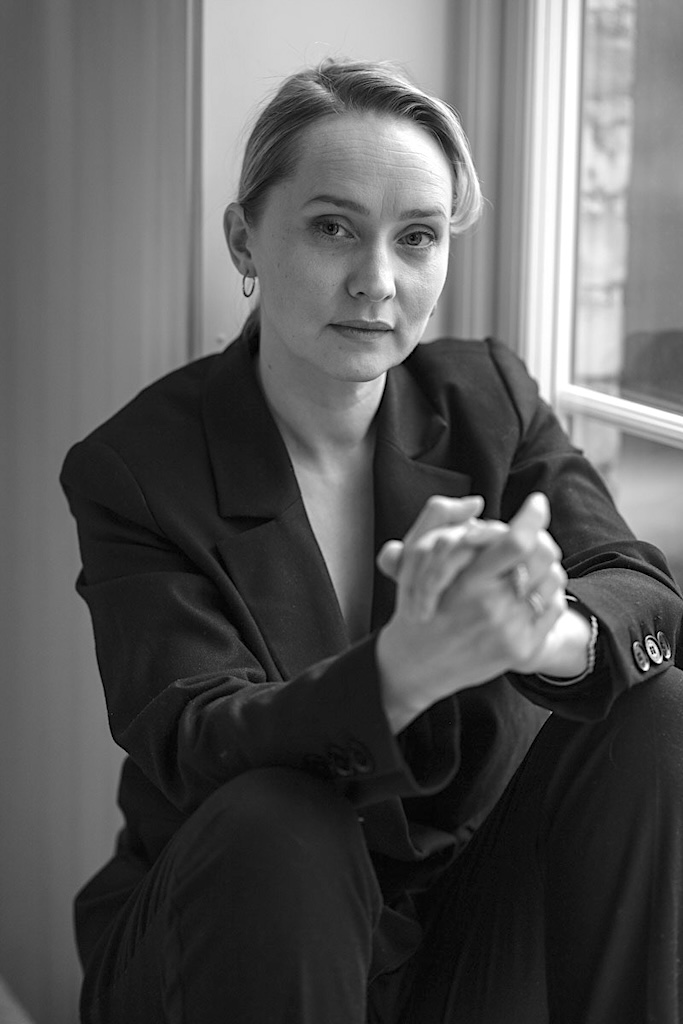
Mona Fastvold
What’s thrilling about telling a story of a historical figure — especially someone as enigmatic as Mother Ann Lee — is you have to let go of strict factual adherence sometimes and allow for creativity. Writing from intuition becomes key. It’s okay if a piece of me joins the story. That personal connection becomes part of the conversation with Mother Ann Lee and is essential in crafting this narrative.
Ultimately, telling a story about the past is also about the present since I’m the one telling it now. Finding that sweet spot is where you must live while working on the story. Once you’ve established that foundation, you can go back into the specifics of research during collaboration with the actors or when building set designs.
How did you attract industry interest to the project?
I was so passionate and excited about the story, and so were my producing partners, Andrew Morrison and Brady Corbet. We were thrilled to bring this story to life, and the cast and other collaborators were equally enthusiastic. They jumped on board immediately, wanting to shoot this film in 35mm and blow it up to 70mm.
To them, the idea of being part of a troop of dancers and performers and working together as if rehearsing a play was enticing. However, finding financing was a challenge. I started by shooting bits and pieces of the film, calling it a workshop. I shot on 35mm with about 25 dancers, including Amanda Seyfried who plays Ann Lee. It was a scrappy production, but it served a purpose.
I needed to convey the essence of the film to potential partners, particularly the music and movement components, which are difficult to convey on paper. That approach helped lay down some groundwork. Ultimately, we pieced the movie together gradually.
If you look at my list of producers, it’s quite long, which is the beauty of independent filmmaking. In the end, it culminated in a happy conclusion, and I’m grateful for the wonderful distributor Searchlight Pictures we found.
What would you say are Ann Lee’s most compelling and unique traits?
For me, the entry point to understanding this character lies in her true motivations. She wasn’t merely a Jesuit aiming to spread Christianity. Her aspirations were more complex. Ann wasn’t trying to be a dogmatic leader insisting, “This is the only way, and you must follow me.” Instead, she diligently explored her beliefs striving to create a sense of community and connection among people from varied backgrounds.
There was nothing about her leadership that spun from ego. It came from a place of survival where she was said, “I cannot mother my children. I’ve lost my children. I will mother the entire world.” And from there came this idea that I’m going to create a community that is safe, and the place where you can feel safe to worship and express yourself and to work really hard at creating things. Ultimately it’s the idea of what can this leadership be as a mother and how can you transcend from trauma into that?
Describe Mother Ann Lee’s views on religion and faith.
Most of the followers that they absorb were already Christians. They had a huge surge into the religion from doomsday cults in the surrounding areas. When you know the world is ending, a lot of them turned to this idea of paradise on earth instead. And that you could achieve this higher power of enlightenment through labor.
Prayer was not just ecstatic song and dance, but it was also creating an object; that could be an expression of prayer for them. And later on, that was something that others could achieve as well. Children would be visited by her spirit or a higher power and receive a gift song, as they would call it —or a gift drawing or something creative through a higher spirit. Ann Lee would say, “You should work every day as though it was your last day on earth. So it was really about thoughts around creating something.”
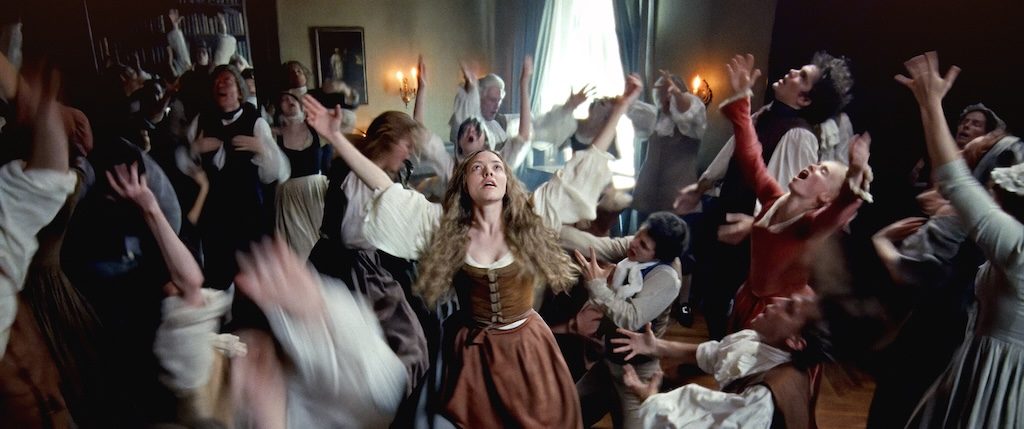
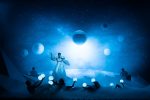
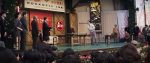
Amanda Seyfried and ensemble. Photo by Searchlight Pictures/ William Rexer
Describe your working relationship with Brady Corbet.
We always know who we’re writing for. The idea starts with one of us. When I was writing The Brutalist, I knew that Brady was going to direct it. I’m writing for him, for his specific style of direction.
With The Testament of Ann Lee, he knows that he’s writing for me to direct. So there’s a clarity around that, but we have different strengths. It’s really symbiotic how we work. We sit next to each other sharing a computer. It’s an unusual way of working, but it truly starts with a conversation.
We spend years talking about the story that we are about to tell. And when we sit down to write it, it’s fairly fast because that conversation has just been going for a very long time. We just talk about the characters and the story, where they want to go and how they’re going to develop. We really have a clear roadmap as to where we want to go with it.
On days where you feel stuck and you just don’t know how to move forward. It’s so nice to have someone else that can say, “I think I have a way here.” We do write minimum of five pages a day, even if it’s terrible. You need to put it down on paper, but usually that first draft just kind of flows. It almost feels like you’re possessed by it and we can’t stop.
What is the genre of The Testament of Ann Lee?
I guess in a way it is a musical, and I guess in a way it is a biopic. It’s not a traditional biopic and it’s not a traditional musical. It defies both genres. It’s a period piece, but it has so much modernity in it as well.
[More: “The Brutalist” Is An Epic Saga Of The Great American Industrialist Dream]

Join the Discussion!
Browse our Videos for Sale
[woocommerce_products_carousel_all_in_one template="compact.css" all_items="88" show_only="id" products="" ordering="random" categories="115" tags="" show_title="false" show_description="false" allow_shortcodes="false" show_price="false" show_category="false" show_tags="false" show_add_to_cart_button="false" show_more_button="false" show_more_items_button="false" show_featured_image="true" image_source="thumbnail" image_height="100" image_width="100" items_to_show_mobiles="3" items_to_show_tablets="6" items_to_show="6" slide_by="1" margin="0" loop="true" stop_on_hover="true" auto_play="true" auto_play_timeout="1200" auto_play_speed="1600" nav="false" nav_speed="800" dots="false" dots_speed="800" lazy_load="false" mouse_drag="true" mouse_wheel="true" touch_drag="true" easing="linear" auto_height="true"]



You must be logged in to post a comment Login