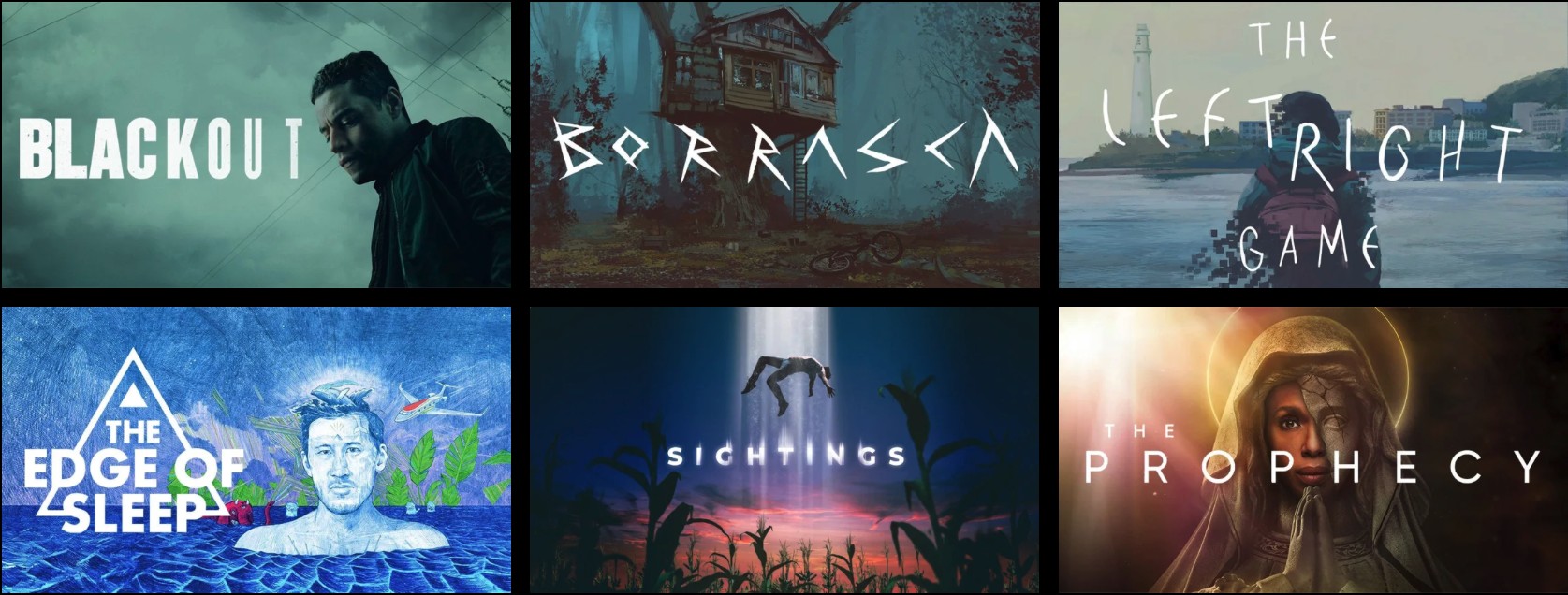
Podcasts are big business. QCODE Media and their umbrella company Daylight Media specialize in servicing the creator economy byh producing audio and video podcasts and short form video. QCODE originally began as a means to create scripted podcasts to sell to the film and television landscapes, but has since expanded its slate to more storytelling formats.
Shiva Nassab, VP Development spoke with Creative Screenwriting Magazine about the creator economy and how screenwriters should approach it as part of their overall career strategy. “I think thinking about it in much the same way that all the platforms at our disposal are used.” Shiva advises. It’s basically a new way to tell our stories using new technologies.
It’s certainly been a fruitful few years for YouTubers to present their sketches, short films, music videos, and other formats. Curry Barker made Milk and Cereal – a feature film and made it available on YouTube. He caught the attention of producers and went on to make a traditional studio movie – Obsession.
Stories have remained relatively consistent over the years. Online distribution and exhibition is a newer iteration of the storytelling medium. It’s more direct and curated for viewers’ tastes.
Nassab notes that she found that writers coming from the more traditional film and TV development path are “very quick to adapt to writing for podcasts versus writing for film, TV, or other formats, because it is the same skill. It is just doing it in a different way. Our stories have to feel more audio forward.”
QCODE advises that writers can’t lean on visuals to tell the story as much, especially for audio podcasts.
Short stories as a precursor to a feature film or TV series
Shiva Nassab doesn’t consider short form content to necessarily have to lead to an extended format. Some stories make sense as short form and other times there is room to expand.
“Something like Backrooms is an online video analogue series turn into something more with a story world around it. We do a lot of that ourselves with taking stories from the Reddit community, for example,” she explains.
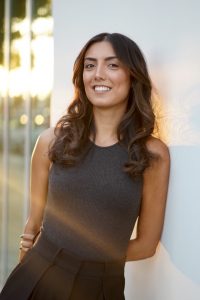
Shiva Nassab – Daylight Media/ QCODE
Hollywood is increasingly inserting themselves into this space as we see more genre stories coming from the internet.
QCODE has discovered many emerging voices from the internet and developing them to fit audio. “The intention ultimately is to build those properties for film and TV. Everything we do at QCode doesn’t just to have a podcast form of that story.”
“But I do think that there are specific stories that especially we’re looking for, that come down to whether we see world building opportunities. Do we see more character development? Do we see expansion of the story in some way or another that makes sense?”
QCODE Media is looking for high concept original ideas
“We’re very concept driven in terms of our mandate. We’re also very focused on genre forward storytelling in this moment – horror, thriller, and sci-fi,, because it performs really well in audio. The spatial audio dynamic of the storytelling is really effective for audiences.”
Shiva also connects with short filmmakers via YouTube, but there is often an element of hit or miss due to the sheer volume of content.
Many film and TV buyers approach QCODE for material that can potentially be expanded.
QCODE will consider a variety of formats within its remit. They assess future specs, TV pilots and, occasionally manuscripts, for genre and tone. However, the company will not invest in parallel IP if it already exists in another platform.
A spec script can be financed by QCODE and the IP would be wholly owned by both QCODE and the creative – 50:50 split. The financials are not as lucrative as film or television, but podcasts are a means for screenwriters and content creators to get their work shown widely.
Related: How Screenwriters Can Leverage Short-Form Content to Build and Sustain Careers
Recruiting A List Talent
Rob Herting, the founder of both QCODE and Daylight Media was previously an agent with CAA before transitioning into the audio space. He has consequently formed direct relationships with many prominent talents such as Markiplier or Rami Malek who are also developing podcasts on the platform. QCODE provides them with the opportunity to produce relatively hassle-free podcasts in between bigger projects with creative freedom.
In doing so, QCODE can leverage their representation to package material for further development. Typically, these names have the first right to adapt the material into film and television with the podcast acting as a proof of concept and as having an audience around it.
Shiva Nassab needs audiences and writers to appreciate that stories don’t just live on screens anymore. Podcasts and other audio platforms offer an easier opportunity for screenwriters to get their passion projects made given how difficult it is to get film and television projects made in the current climate – even for established names.
Related: How Screenwriters Should Embrace The Creator Economy
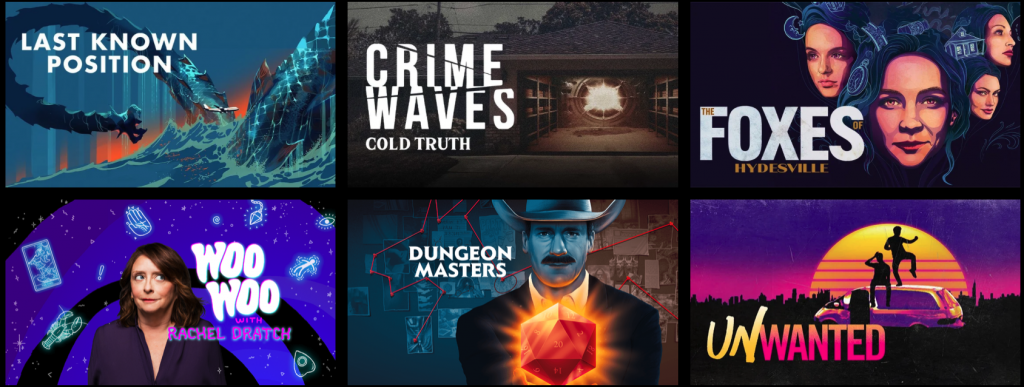
A selection of original series on QCODE Media
Recommended Script Formats
QCODE isn’t strictly focused on episode length. It really comes down to the core concept that is fully formed in the mind of the creator. The first season needs to be pitched to measure longevity.
“Our priority right now is ongoing shows. How can we find the right kinds of worlds and stories that we could continue after Season one? Who are the characters we care about? Why? What is the high concept hook? Does this feel like a trailer that people would lean into. We’re already thinking 10 steps ahead when we’re assessing something very early on.”
Sometimes, the idea might live in a 1 or 15 page document.
Transmedia Storytelling
Transmedia is telling the same base story across a range of media – films, books, video games, podcasts, and social media. The experience isn’t simply repurposing a story to present it to a wider audience. It enhances the storytelling experience by allowing each medium to contribute uniquely to the narrative.
Nassab cites Minecraft as an example, which broke out because it appeals to a subset of gamers who like film. These communities could experience the game in a film.The same is true with Resident Evil.
She adds that audiences are increasingly aligning themselves with a brand which they follow across media. Curry Barker, Kane Parsons, Christopher Nolan all have their specific brands and voice and their fan bases can spread to build their communities and directly interact with them. These additional avenues place the creator at the helm of their work and allow them to discover and expand their audience.
The inter-connectivity of stories isn’t restricted to scripted shows. Many unscripted show creators collaborate with other creatives to drive new shows on film and TV. “It’s all about connecting everything, all the different buckets of reaching people and those fans in the right ways that they want to be seen and heard and understood,” she continues.
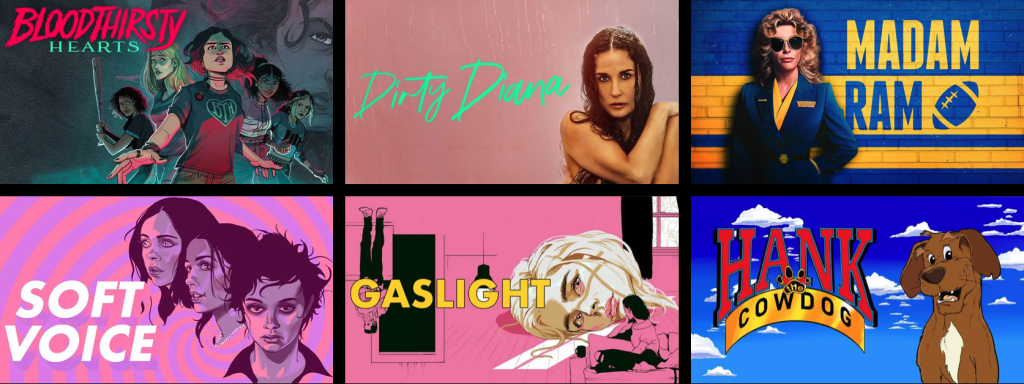
Original podcast series on QCODE Media
Final advice for screenwriters
There is more pressure than ever on creators to figure out where their story lives organically.
“I would encourage people to focus more on things that feel really unique, fresh, and a little twisty. I want to say, ‘I haven’t seen this before. This is making me lean in because it’s just strange for some reason,'” Shiva concludes.