
Conversation About the Documentary “Fire and Water: Making the Avatar Films”

Avatar (and all things associated with James Cameron) are known for their groundbreaking visual wizardry which is often created in real time to tell a story worthy of its remarkable spectacle.
The film series is set in the mid-22nd century on Pandora, a moon orbiting the Alpha Centauri star system. The story revolves around the conflict between human colonizers and the indigenous Na’vi people.
The two-part documentary provides a fascinating glimpse into the making of the Oscar-winning box office phenomenon Avatar: The Way of Water and a first look at the upcoming Avatar: Fire and Ash. It features exclusive behind-the-scenes footage, concept art, and interviews with cast and filmmakers. The filmmakers traveled from Manhattan Beach, San Pedro, Shasta Lake, and the Channel Islands to the Bahamas, Hawaii, and New Zealand, to follow the cast and below-the-line team as they work to hone and perfect the techniques of underwater performance capture technology and learn to free dive in a massive, state-of-the-art 680,000-gallon water tank.
It’s equally important to note that awe-inspiring CGI and motion capture visual effects only augment and elevate the story that Avatar tells rather than replace it.
In this article, director/ writer/ producer James Cameron, and actors Sam Worthington who plays Jake Scully the former human and current Na’vi, Sigourney Weaver, who returns in a cameo as Kiri, the daughter of Dr. Grace Augustine’s Na’vi avatar, Stephen Lang, who portrays the former military commander and colonizer of Pandora Miles Quaritch, and Oona Chaplin, who plays Varang, the Na’vi leader of the volcano-dwelling Mangkwan clan. They discuss how the pioneering technology and meticulous method of filmmaking influence their roles.
James Cameron: Watching this documentary and the various behind-the-scenes features on the Avatar Blu-rays, I’ve realized that my relationship with the actors has undergone a significant transformation thanks to performance capture technology. It’s almost like being liberated from traditional filmmaking constraints, allowing us to focus deeply on the performance itself.
In my experience making live-action movies, I usually have to split my attention. About 50% goes toward performance, while the other half is consumed by technical considerations — where to place the camera, tracking shots, lighting, and managing background action. However, during performance capture, that dynamic shifts dramatically to 100% focus on the actors.
I’m not bogged down by distractions like tracking cranes or the sun setting. Instead, I’m fully present and engaged in the moment with all of the actors. And as a writer/ director, that level of engagement makes me incredibly happy. It allows us to create richly developed characters together.
Oona Chaplin: When I first joined the project, I felt a bit shell-shocked during those initial weeks, like I was absorbing a firehose of information. But what struck me the most was how supportive and encouraging you were as a director. Even amidst all that initial chaos, I felt a profound safety net because there were so many resources available to help me dive into my character. We engaged in extensive training, including archery and other physical aspects of the role. The focus on understanding how my character fits into this vibrant world was pivotal.
Stephen Lang: It’s really a unique process. We spend time developing our characters, not just in isolation, but as part of this larger ecosystem. Oona’s introduction opened up this entire world of possibilities. She choreographed a mesmerizing fire dance that became integral to her character. What I love about this whole setup is that everyone contributes creatively to that sandbox we’ve created, and it allows us to explore freely.
Sigourney Weaver: There are moments where the energy feels more akin to an intimate theatrical performance than a blockbuster franchise. It’s such a refreshing change from the typical big-budget sets. I remember showcasing my work off-Broadway, where resources were minimal, but we created art through sheer connection and emotional truth. This approach has brought that same excitement back — just being with the actors and moments expands our potential for authentic storytelling.
Sam Worthington: For me, shooting a traditional film often brings with it a fair amount of anxiety. There’s a rush to get the shot — the peculiar pressure where you feel like everything is on a countdown clock. This kind of pressure can stifle creativity and hinder spontaneity. However, when we come to work in this performance capture space, the landscape is entirely different. Every moment becomes a close-up, which eliminates the pressure of needing to get it right.
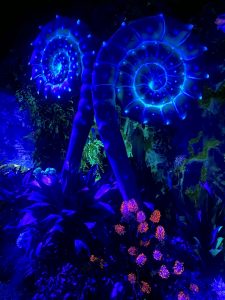
Photo of the Fire and Water: Making the Avatar Films Exhibit
Oona Chaplin: That freedom is liberating. I remember a moment where I had to embody the essence of a 14-year-old; I was nervous about exposing that vulnerability. Yet, I felt so supported in that space, knowing I could safely explore that character without judgment. Everyone was in their zone, deeply immersed in their work, creating a collective energy that was electric.
Stephen Lang: Each of us brings something unique to the table. When we play off each other’s ideas and instincts, it heightens everything. The beauty of performance capture is really about the collaborative effort. We’re all in it together — each person’s creativity bolsters everyone else’s performances. It’s a dynamic that’s rare in traditional filmmaking, where sometimes it feels more about hitting scheduled shots than exploring character depths.
James Cameron: That lack of pressure allows creativity to flourish. I often find that we discover the rawest and most honest emotional beats when we give ourselves the freedom to explore. This documentary Fire and Water, shows not just the technical aspects of making the Avatar films, but also highlights these human connections. In this environment, we’re able to create characters that resonate on a deeper level.
Sigourney Weaver: The relationships between characters in this film are so intricately woven. We’re not just acting out scenes; we’re actually building a mythology together. Each character has their own desires, fears, and emotions that intertwine with one another, creating a rich tapestry. And this performance capture method allows us to flesh those characters out in ways that traditional filmmaking sometimes doesn’t permit.
Sam Worthington: Plus, the emotional stakes are higher when you get to explore the vulnerability of a character in a collaborative environment. With performance capture, there’s less of that artificial barrier that can sometimes exist on set. The focus is on building genuine connections — sharing laughter and even the nervous jitters — which ultimately leads to stronger on-screen chemistry.
Oona Chaplin: That chemistry translates directly to the audience. The visceral experiences we create during those moments — through both our reactions and improvisations — make the final film feel alive. There’s a kind of magic that arises when we’re in the moment deeply engaged with our characters. I remember one scene where I was meant to react emotionally, and it flowed naturally because of our established dynamic.
James Cameron: That’s the goal — to create a living, breathing story that resonates with audiences. This collaborative spirit is not just about individual performances; it’s about how we blend our energies and insights to create something extraordinary together as a team. Each film is a collective journey, and the bond we build while making these movies becomes part of the narratives we share with the world.
Sigourney Weaver: Collaboration is key, but it’s also about trust. The way you build this environment encourages everyone to stretch their creative muscles without fear of failure. It’s a sanctuary where we can play and experiment, which is refreshing in a world where the stakes can often feel insurmountable.
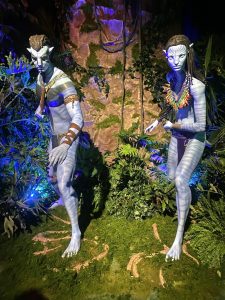
Photo of the Fire and Water: Making the Avatar Films Exhibit
Stephen Lang: And let’s not forget the technical mastery behind this system. Performance capture technology has come so far, enabling us to bring depth to the characters we embody. The fidelity of the emotions captured is unparalleled, which then gets transformed into stunning visual storytelling. All the skills we hone as actors, combined with that technology, provide a unique perspective on our characters — blurring the line between performance and animation.
Oona Chaplin: That cross-pollination of acting and technology really enhances the storytelling as well. We get to use our physicality, voice, and emotions in real time, creating a performance that’s then translated into the animated world of Pandora. The depth of our expressions can be captured exactly as we felt them in that moment, which is incredible.
James Cameron: When we consider the complexities of world-building, this technology allows us to remain connected to the emotional truths of our characters while crafting expansive narratives. Every layer — from character relationships to the detailed environments — contributes to that immersive experience for the audience.
Sam Worthington: And the fact that we’re all in it together, collectively bringing these characters to life, establishes a special bond between us. I feel like we’re not just actors, but collaborators. It’s this shared experience that makes the long hours worth it — when you see not just individual performances, but the magic that emerges from our combined efforts.
Sigourney Weaver: And remembering those moments when the unexpected happened — when we broke character for a laugh or dug deeper emotionally. Those instances become the heartbeat of our storytelling. The more we allow ourselves to be vulnerable, the more relatable our characters become.
Oona Chaplin: It comes back to that freedom to play. I think we’ve all felt a sense of liberation in this process — whether it’s through improvisation or responding in-the-moment to each other’s energy. Every performance is a new exploration, and that unpredictability keeps us on our toes as actors.
Stephen Lang: This kind of environment nurtures creativity. We’re challenged not just by the characters we’re portraying, but also by the artistry involved in how we convey those emotions to an audience. With something monumental like the Avatar series, that combination of individual nuance and technological advancement creates a truly unique cinematic experience.
James Cameron: As we continue this journey with the Avatar films, we’re not just creating a movie, but a rich, immersive universe that reflects the complexity of its characters and the societal themes we want to explore. Embracing that collaboration on all fronts is what will allow us to push the boundaries of what storytelling can achieve.
Sam Worthington: With each new installment, we’re not just building on the past, but also discovering new facets of our characters and the world we’re telling the story within. The experiences we’ve shared and how we adapt to new technology will be integral to our development as a team.
Sigourney Weaver: I feel a sense of pride in what we’re creating together and the legacy of this series. It’s amazing to think about — three films that have set the stage for the future of cinema, exploring rich themes in ways that truly resonate with audiences all over the world.
James Cameron: As we move forward, I think it’s important to reflect on the discussions we’ve had, which not only captures the essence of filmmaking, but also the individual journeys we embark upon as artists. Every single element — from character development to the themes we’re exploring — shapes the final product and resonates with audiences worldwide.
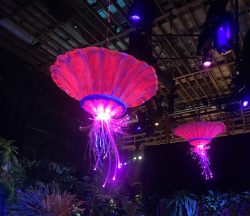
Photo of the Fire and Water: Making the Avatar Films Exhibit
Oona Chaplin: Looking at it from a broader perspective, the very themes of connection — between characters, cultures, and even technology — represent what we, as a team, are striving to achieve. The Avatar films serve as a platform to showcase the beauty of interconnectedness, not just in the fictional world, but in how we function as a creative unit in real life.
Stephen Lang: The themes of family, unity, and environmental respect are deeply woven into the narrative fabric of these films. They resonate within our own lives as well. It’s refreshing to be part of a project that aims to reflect these values through compelling characters and storylines. Each film we create can have a profound impact, inviting audiences to contemplate their relationship with the world.
Sigourney Weaver: And it’s fascinating how we get to experiment with these themes while crafting our characters. For instance, viewers can see the individual struggles of each character, juxtaposed against the larger societal challenges. By doing this, we’re not only storytelling; we’re instigating a dialogue about significant issues that matter to our audiences, whether they are environmental or social challenges.
Sam Worthington: Each character becomes a vessel for these broader discussions. When we approach our roles with that understanding, it transforms the work. It’s not just about delivering lines or performing; it’s about conveying emotions and experiences that will resonate with viewers on multiple levels. The audience feels connected to our characters, and through that connection, we can address and discuss pressing global themes.
Oona Chaplin: Plus, as we explore personal growth within these narratives, it encourages viewers to evaluate their own paths. They can see reflections of their struggles and triumphs in our characters’ journeys, which is a powerful aspect of storytelling. It’s the universality of our experiences that allows these films to touch a wide array of audiences.
Stephen Lang: And let’s not forget the diversity we bring into this narrative. The original world of Avatar was groundbreaking for its time, visually, and thematically, and I believe that trend continues with each new installment. We’re showcasing a myriad of cultures, ideas, and philosophies, which can spark meaningful conversations about representation in film and the importance of inclusivity.
James Cameron: Representation is crucial. It enriches our stories and reflects the diverse world we live in, providing opportunities for audiences to see themselves in these fantastic contexts. As storytellers, we have a responsibility to ensure that narratives aren’t just told from a singular perspective, but embrace a spectrum of voices, enriching the fabric of the narrative world.
Sigourney Weaver: I appreciate how we foster this environment within the performance capture framework. When we work together, we can incorporate ideas and cultural aspects that may not have been on the table initially. I remember specific scenes where cultural elements were introduced organically during our discussions and rehearsals, elevating the narrative.
Oona Chaplin: Those moments of organic collaboration can often lead to some of the most impactful storytelling. We draw from each other’s experiences and encourage dynamic exploration in our performances. It turns the traditional acting process into a shared adventure, steeped in creativity and mutual respect.
Sam Worthington: And as we move forward, I hope we can continue to encourage and support each other, both as performers and as individuals. As we share our vulnerabilities, we create a stronger bond and a more compelling narrative. It’s a beautiful cycle — our echoes of personal truths resonate through our characters and ultimately, our audience.
James Cameron: I couldn’t agree more. The entire team — from writers to technicians — plays an integral role in shaping the visions we create. Every input, every creative spark, matters immensely. The synergy we cultivate translates directly into rich, immersive storytelling.
Oona Chaplin: And speaking of storytelling, it’s also fascinating how the technology we’re using is evolving. I’m constantly amazed by how performance capture can bridge the gap between live-action and animation, enabling us to portray moments with incredible nuance. The fidelity with which our expressions and movements are captured allows for a depth that traditional filmmaking sometimes limits.
Sigourney Weaver: Indeed, technology is our ally in this venture. Evolving methods of performance capture allow us to convey emotional resonance and sincerity, forging connections with the audience that feel real and heartfelt.
Sam Worthington: It also encourages us to think differently about acting. In a conventional setting, we might be restricted to rehearsing specific scenes, but here, the fluidity allows for spontaneity. Each take is a new opportunity, and the boundary between performance and reality blurs. We explore and discover alongside each other, much like a jazz band improvising in tandem.
Stephen Lang: That spontaneity is such a gift. It’s the unscripted moments when real magic happens, whether it’s an unexpected laughter or a poignant emotional beat that wasn’t expected. With performance capture, we have the freedom to uncover these gems without the pressure to adhere strictly to scripted lines.
James Cameron: And those moments can reshape the story, creating unexpected pathways that enhance the narrative depth. I’ve often found that the best twists and turns arise from genuine reactions among the actors. It’s what makes collaborating so exciting; we’re always discovering new layers — both in our characters and the overarching story.
[More: James Cameron, Rick Jaffa & Amanda Silver On Avatar: The Way Of Water]

Join the Discussion!


Browse our Videos for Sale
[woocommerce_products_carousel_all_in_one template="compact.css" all_items="88" show_only="id" products="" ordering="random" categories="115" tags="" show_title="false" show_description="false" allow_shortcodes="false" show_price="false" show_category="false" show_tags="false" show_add_to_cart_button="false" show_more_button="false" show_more_items_button="false" show_featured_image="true" image_source="thumbnail" image_height="100" image_width="100" items_to_show_mobiles="3" items_to_show_tablets="6" items_to_show="6" slide_by="1" margin="0" loop="true" stop_on_hover="true" auto_play="true" auto_play_timeout="1200" auto_play_speed="1600" nav="false" nav_speed="800" dots="false" dots_speed="800" lazy_load="false" mouse_drag="true" mouse_wheel="true" touch_drag="true" easing="linear" auto_height="true"]







You must be logged in to post a comment Login