
“The Lincoln Lawyer” Creator Ted Humphrey on Writing Career, Craft, and Longevity in Film and Television

Ted Humphrey is a film and television writer whose career reflects both the persistence and adaptability required to work steadily in Hollywood. After beginning his professional life as a lawyer, Humphrey transitioned into screenwriting, earning his first paid assignment on a feature rewrite for Warner Bros which was never produced. and later worked on David Mamet’s The Unit, The Good Wife, and eventually, The Lincoln Lawyer. In this interview, Humphrey discusses his career trajectory and how writers can think about career longevity in a business defined by uncertainty and long periods of lack of progress.
You’ve come from a legal background, and writing for film and television was something you once thought of as a distant calling. Can you talk about the circumstances that led to your career breakthrough?
I always knew I wanted to work in Hollywood as a writer, director, or producer — whether in movies, television, or both. When I was younger, I probably imagined myself more as a movie director and writer. Over time, television became more culturally prevalent, especially with the rise of streaming, and I followed that shift.
I didn’t go to film school. I went to Georgetown University, which has a classic liberal arts focus. I majored in history and government — subjects I found fascinating, but not direct preparation for this business. Georgetown isn’t a pipeline to Hollywood, and when I graduated, I had no idea how to break in. I’d never been to Los Angeles, didn’t know anyone in the business, and had no family connections to it.

Ted Humphrey
Like a lot of people, I went to law school for the wrong reasons. I was a good student with good test scores, so it felt like a productive path. After law school, I worked at a law firm in Washington, D.C. for a couple of years, but I was unhappy. It wasn’t a good fit for me.
Eventually, I realized that I was young, unmarried, didn’t own a home, and didn’t have major responsibilities. If I was ever going to pursue this dream, it was now or never. I quit my job, packed up my Honda Civic, and drove across the country to Los Angeles to try to break into the business.
Career Dissatisfaction, Honda Civics, and the Fateful Leap to LA
The one difference between graduating college and that moment was that I now knew one person in Hollywood —a high school friend who had become a successful comedy writer. He had gone to Harvard and written for The Harvard Lampoon magazine. At the very least, I had a couch to sleep on. I slept on his couch and started writing.
This was just before the internet really became a thing. Today, if you want to be a screenwriter, the first advice I give is to read scripts — great scripts. Now they’re easily available online. Back then, that wasn’t the case. You needed to know someone with an agent who could get you a physical copy.
There were no online contests or many of the pathways that exist today for newer writers. Breaking in was much more about physically coming to Los Angeles or New York and meeting people.
The First Paid Writing Job
For me, that process took about two and a half years, which felt like an eternity at the time, but I now understand was actually very fast compared to others.
The first thing I got paid to write was a rewrite on a movie for Warner Brothers called Dust. It was a big science-fiction disaster movie that never ended up getting made.
No One Path Into Hollywood, but Sketchy Connections Help
My path illustrates how there’s no single way to break in. I was writing scripts, trying to get people to read them, and trying to get an agent. Along the way, I met someone through a friend-of-a-friend situation — a fairly sketchy connection — who introduced me to a reputable manager who represented writers who had been lawyers.
That manager helped launch my career and got me my first meetings with agents.
The moral of the story is that you never know where the break will come from. You just have to be prepared when it does. When the door opens even a little, you have to push your way through.
After hitting that first milestone — getting paid and getting representation — how did your understanding of the business change?
My thinking is constantly changing. I’ve never really felt like I’ve “made it,” and that’s probably healthy. You’re always reinventing yourself and redefining what you do.
One of the biggest misconceptions about the business is the idea that getting an agent or manager is the solution — that they’ll open all the doors and create your screenwriting career for you. It doesn’t work that way. Even the best ones can only help you so much. The heavy lifting is always on you.
Relationships Compound Over Time
If you stay in this business long enough, you realize that it’s the quality of your work and the relationships you build that matter most.
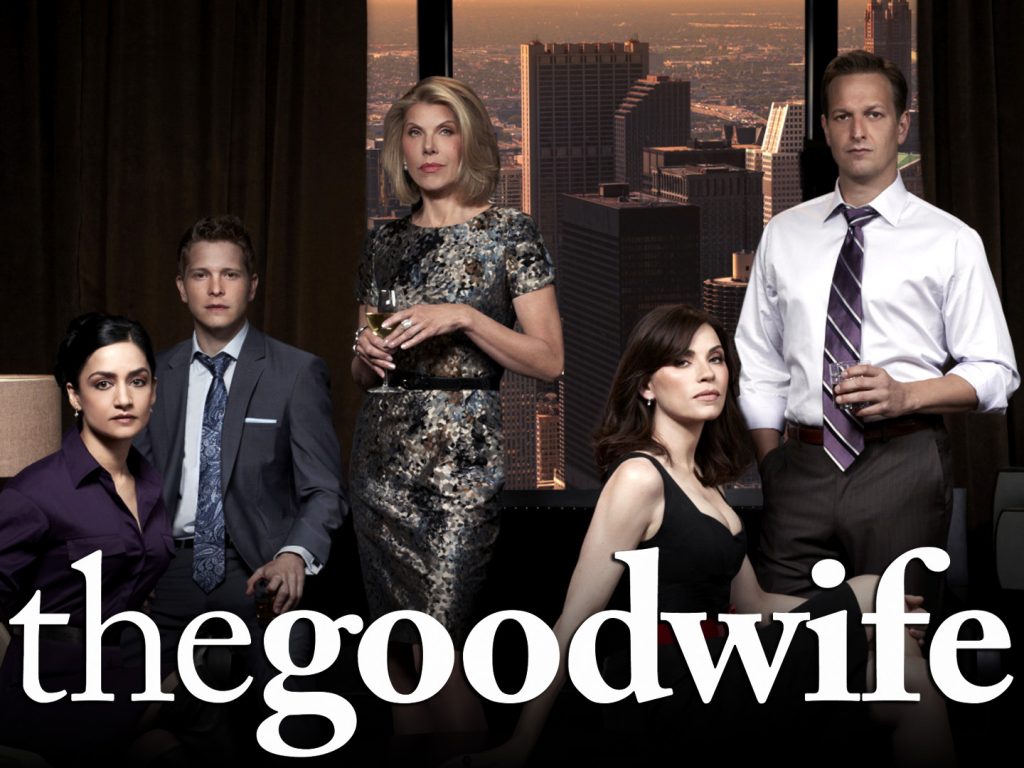
Early in my career, I wrote a pilot for FX through Scott Free that never got made, but the people there thought the script was very strong. Five or six years later, they came back to me when they were producing The Good Wife and asked if I wanted to be involved. That became a major step in my career.
While an agent made the introduction, the opportunity ultimately came from a relationship I had built and work I had done years earlier.
For younger writers especially, it’s important to understand that a manager is not your ticket. You have to do the hard work yourself. That realization is actually empowering.
Given that so much of this business is outside your control, how do you measure career success?
To be successful in this business, you need three things: hard work, talent, and luck. Anyone who downplays the role of luck is probably lying. There’s a symbiotic relationship between luck and the ability to take advantage of it.
Some people reach a level of success where they never need to work again financially or creatively. I’ve never really had that luxury. I’ve been fortunate and have had meaningful successes, but it’s always been about keeping my career going.
I define success as continuing to work — working on projects that interest me, that are creatively fulfilling and culturally relevant, and that someone is willing to pay me to do.
This is often described as a business where you can get rich, but it’s hard to make a living. I’m proud that I’ve spent about a quarter century making a living doing this. Continuing to be useful and culturally relevant — that’s success to me.

Join the Discussion!
Related Articles
 “A Redemption Story Of A Man Finding His Way Back” Ted Humphrey Talks ‘The Lincoln Lawyer’ (Part 2)
- The Lincoln Lawyer: Showrunner Ted Humphrey And Actor Manuel Garcia Rulfo Discuss “Writing Shows In The Binging Environment”
- “A Redemption Story Of A Man Finding His Way Back” Ted Humphrey Talks ‘The Lincoln Lawyer’ (Part 1)



Browse our Videos for Sale
[woocommerce_products_carousel_all_in_one template="compact.css" all_items="88" show_only="id" products="" ordering="random" categories="115" tags="" show_title="false" show_description="false" allow_shortcodes="false" show_price="false" show_category="false" show_tags="false" show_add_to_cart_button="false" show_more_button="false" show_more_items_button="false" show_featured_image="true" image_source="thumbnail" image_height="100" image_width="100" items_to_show_mobiles="3" items_to_show_tablets="6" items_to_show="6" slide_by="1" margin="0" loop="true" stop_on_hover="true" auto_play="true" auto_play_timeout="1200" auto_play_speed="1600" nav="false" nav_speed="800" dots="false" dots_speed="800" lazy_load="false" mouse_drag="true" mouse_wheel="true" touch_drag="true" easing="linear" auto_height="true"]







You must be logged in to post a comment Login