
What Is a Story Engine? A Comprehensive Guide for Writers

As a television or film writer understanding the core concept of story engine is crucial. The story (or narrative) engine is the underlying structure that drives narrative and character development, enables continued storytelling, keeps the story on track, and fosters creative expansion over time. At the very least, a solid story engine can combat writers’ block.
The Purpose Of A Story Engine
When developing a new film or TV series, many writers place significant emphasis on factors such as compelling characters, original plots, compelling themes, and high-concept premises. While these elements certainly play a vital role in storytelling, they are not sufficient on their own to propel the storytelling. Without a robust story engine, even the most engaging stories can fizzle out after a few pages, especially in episodic television.
A well-defined story engine provides a framework that can sustain a series or movie franchise for decades. It’s what allows creators to generate multiple episodes, arcs, sequels, and even spin-offs while maintaining a cohesive and continues identity. The story engine ensures that the narrative can evolve from creating backstories to spinoffs and sequels.
Elements Of A Strong Story Engine
At its essence, a story engine is a repeatable story system—fuel that consistently generates conflict, advances character arcs, and produces captivating storylines within an established narrative framework. It includes various critical components:
- A Central Premise: This serves as the foundation of the narrative, creating ongoing stories. The premise must be broad enough to allow for diverse storylines, but focused enough to maintain a clear direction and spine.
- A Consistent Structure or Situation: The structure within which the stories unfold helps regenerate conflict. This could be a recurring event, a set of circumstances, or a central conflict that the characters must navigate through various episodes.
- Characters with Sustained Motivations: The characters in your story should have clear motivations that can evolve as the narrative progresses. Their relationships should also develop, offering new angles for conflict and engagement.
- A Clear Tone and Narrative Rules: Establishing the tone sets audience expectations while the set of narrative rules guides how the story operates. This consistency helps maintain engagement for the audience.
- A Format for Variation and Familiarity: Your story engine should allow for the introduction of new elements and variations while maintaining a sense of familiarity within your narrative framework.
It’s essential to understand that a story engine does not dictate the specifics of what happens in each episode or installment. Instead, it ensures the narrative remains functional, intriguing and free of distractions.
Types of Story Engines
Understanding the different types of story engines can help writers select the most appropriate framework for their narratives. Here are several prominent types:
Monster of the Week
This format is common in procedural series, where each episode presents a new problem or villain for the protagonists to tackle.
Buffy the Vampire Slayer employs this story engine by introducing a new monster or supernatural threat in each episode, while still exploring the overarching themes of friendship, identity, duty, and sacrifice.
Key Features:
– Episodic conflicts that can be resolved within one episode
– Potential for underlying story arcs that develop alongside the episodic content
– Strong character dynamics allow for viewer investment

Buffy Summers (Sarah Michelle Gellar) Photo courtesy of Warner Bros Television
Character Transformation
In this type of story engine, the primary focus is on a character’s development over time, often through a significant transformative journey both through conscious life choices and changes in attitudes. The narrative engine is sparked by the internal and external challenges faced by the character.
Breaking Bad chronicles Walter White’s descent from a mild-mannered high school teacher to a ruthless drug kingpin, unveiling his gradual moral decay. Is he done being the nice guy trying to take care of his family or is he becoming what already lived inside?
Key Features:
– Emphasis on character growth and transformation
– Internal conflicts drive the narrative
– Every choice impacts the character’s development and relationships
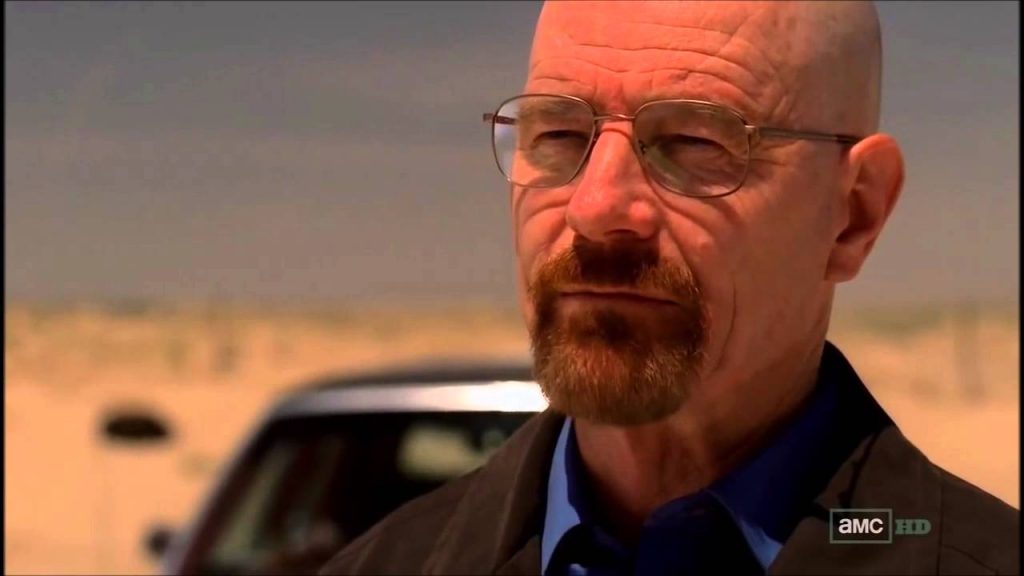
Walter White (Brian Cranston) Photo courtesy of AMC Networks
Serial Narrative
In a serial narrative, each installment builds upon the previous one, creating a continuous story arc that encourages viewers to return to see the unfolding plot.
Game of Thrones exemplifies the serial narrative, with each episode contributing to a web of power struggles and character dynamics set in a richly developed world.
Key Features:
– Long-term story arcs with layered narratives and sub-narratives
– Rich character development and world-building
– Cliffhangers and unresolved plotlines maintain viewer engagement
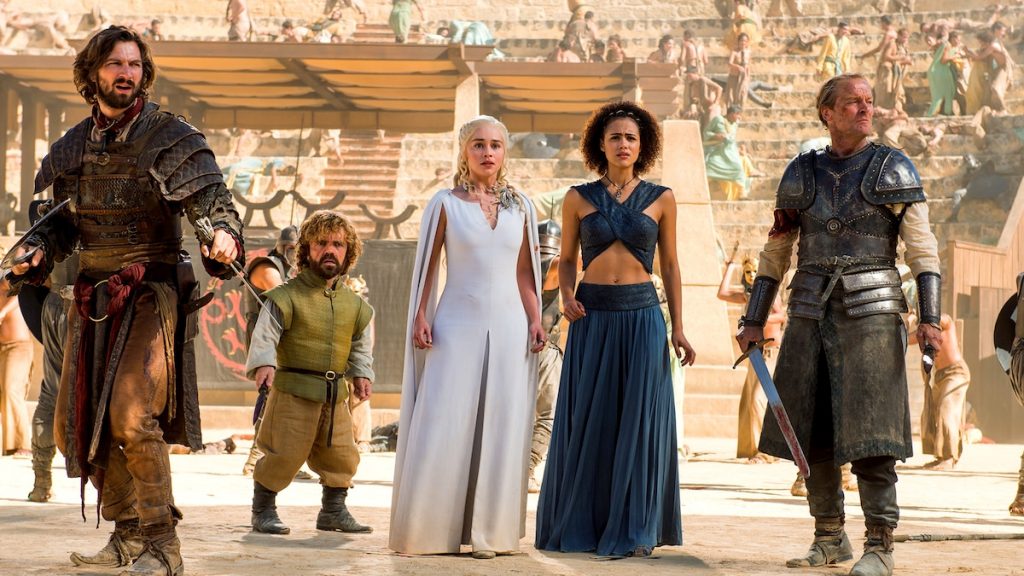
Key cast of Game Of Thrones. Photo courtesy of HBO
Ensemble Dynamic
This type of story engine relies on a diverse cast of characters, each with their own arcs, motivations, and relationships. The interactions among them create the primary source of conflict.
Adults showcases an ensemble dynamic, where each character navigates their personal and relational challenges while contributing to the larger group narrative.
Key Features:
– Multiple storylines that run concurrently
– Focus on relationships and group dynamics
– Functionality for humor, drama, and character growth
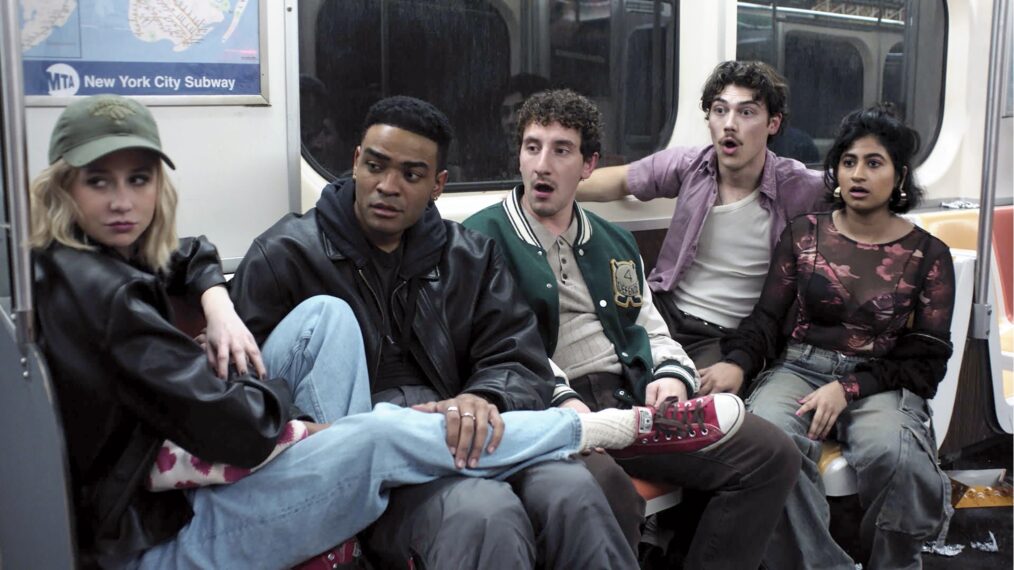
Main cast of Adults. Photo courtesy of FX Networks
Moral Dilemma
This engine centers around characters facing significant ethical or moral decisions, often resulting in conflicts that challenge their principles and beliefs.
The Good Place explores moral philosophy through characters navigating concepts of ethics, consequences, and personal growth in the afterlife. It also juxtaposes it with the present earthly life.
Key Features:
– Encourages deep introspection and complex character relationships
– Conflicts arise from moral ambiguity
– Expansive themes around identity and consequence

The Good Place – Manny Jacinto as Jason, Kristen Bell as Eleanor Shellstrop, Jameela Jamil as Tahani Al-Jamil, William Jackson Harper as Chidi Anagonye, Kirby Howell-Baptiste as Simone Garnett. Photo by Colleen Hayes/ NBC
Alternate Realities/Multi-Universes
This engine leverages the concept of alternate realities or multiple dimensions to explore the same characters in vastly different circumstances, leading to expanded storytelling opportunities.
Spider-Man: Into the Spider-Verse introduces multiple Spider-people from various dimensions, each bringing unique stories and perspectives to a central theme of identity and responsibility.
Key Features:
– Unlimited narrative and world possibilities
– Ability to explore different character traits and arcs
– Thematic richness that raises emotional stakes
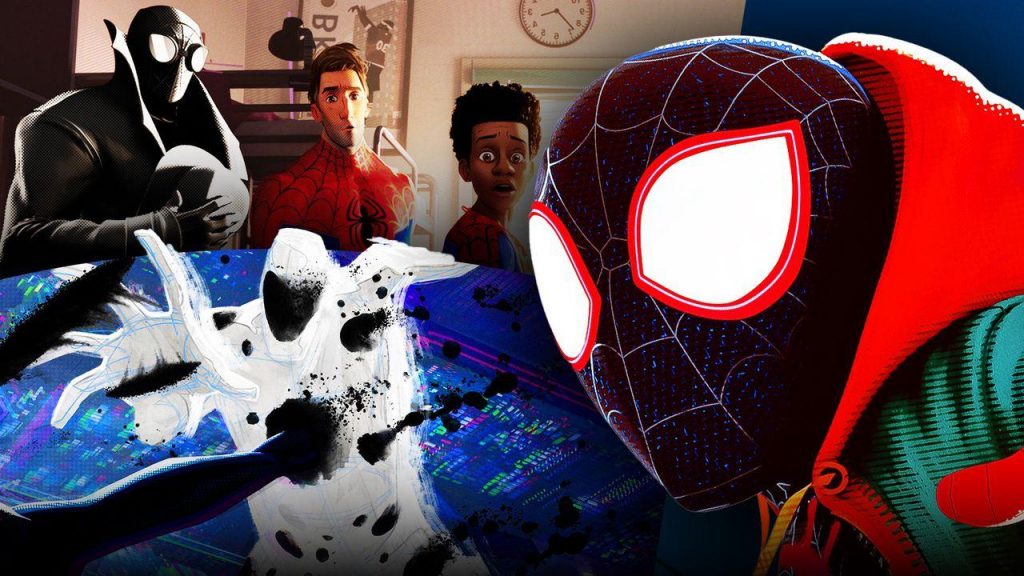
Photo courtesy of Sony Pictures
Why Writers Need to Understand Story Engines
When crafting a pilot, series bible, or franchise pitch, understanding the intricacies of a story engine becomes invaluable. The grasp of this concept enables writers to address critical development questions, such as:
- What keeps this story going? Understand how story engines generate endless storylines.
- What creates new conflicts, situations, and relationships in each episode or sequel?
- Why will audiences return to these characters or this universe?
- How do we sustain interest over time without becoming repetitive or reductive?
Regardless of whether you’re developing an episodic television series, a sci-fi procedural, or a film series, having a well-functioning story engine is what makes them feel fresh and sustainable over time.

Join the Discussion!



Browse our Videos for Sale
[woocommerce_products_carousel_all_in_one template="compact.css" all_items="88" show_only="id" products="" ordering="random" categories="115" tags="" show_title="false" show_description="false" allow_shortcodes="false" show_price="false" show_category="false" show_tags="false" show_add_to_cart_button="false" show_more_button="false" show_more_items_button="false" show_featured_image="true" image_source="thumbnail" image_height="100" image_width="100" items_to_show_mobiles="3" items_to_show_tablets="6" items_to_show="6" slide_by="1" margin="0" loop="true" stop_on_hover="true" auto_play="true" auto_play_timeout="1200" auto_play_speed="1600" nav="false" nav_speed="800" dots="false" dots_speed="800" lazy_load="false" mouse_drag="true" mouse_wheel="true" touch_drag="true" easing="linear" auto_height="true"]







You must be logged in to post a comment Login