
“Eden” Decoded: Noah Pink’s Cinematic Journey from Concept to Screen

At some point, everyone needs to escape civilization and travel to a remote island to recharge and reset, especially during times of massive change and upheaval. The island of Floreana in the Galapagos Islands might be the perfect place to go. People can flee the complexities of modern city life and retreat to a place where they can truly affect change in the world.
Based on various accounts of the shocking true story of a group of outsiders (Jude Law, Ana de Armas, Vanessa Kirby, Daniel Brühl, Sydney Sweeney), Eden tells the true story of survival in a remote island, where the settlers become the greatest threat to each other rather than their isolation, brutal climate, or vicious wildlife.
People die (or are killed), and the remaining residents are left to unravel the mystery of what really happened.
Advertisement
Screenwriter Noah Pink wrote the script from a story with Ron Howard, who also directed the film.
Ron Howard also notes, “I felt a connection to today – we are living through times of uncertainty, mistrust of society, and a feeling that civilization is suffocating us. Living off the grid is a viable option.”
Noah shares his thoughts on Eden with Creative Screenwriting Magazine about writing a story where the truth might indeed be stranger than fiction.
Getting Started
“I wrote this during COVID, and you can kind of feel a bit of it in the script. It was definitely a time when the dream of disconnecting from the world and living in the wilderness seemed appealing. At the same time, I was stuck at home, contemplating the big questions in life. This story allowed me to explore those questions, like the meaning of life. There are three separate groups of people all searching for that answer in very different ways in Eden,” Pink reveals as the thematic underpinnings of his film.
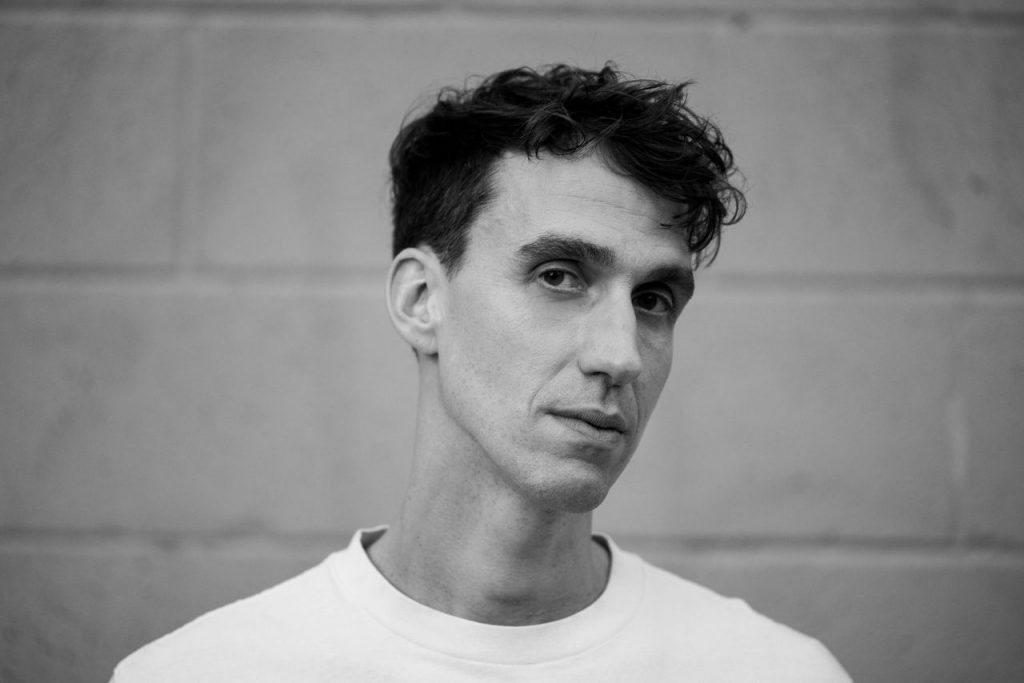
Noah Pink
According to Ron Howard, a good film needs five great scenes to make it work – advice Noah Pink heeded.
Crafting the Narrative
This movie begins as a thematic exploration of survival in a hostile environment and evolves into a clash of egos and grabbing of power and resources.
“When I start writing, I usually have a question rather than an answer. Through writing this story, I realized it’s about the power of family. No matter where you are in the world, that is paramount to who we are as a species. The only thread keeping the characters together is their connection to family,” Pink continues. Eden soon becomes a study of tribalism.
As the story progresses, the characters’ underlying motivations emerge as each vies for control of the island via mind games, manipulation, and switching loyalties. Pink didn’t necessarily pit the good guys against the bad guys in Eden. Instead, he chose to explore how different life philosophies, East and West, can affect people who are pushed to their limits.
The Bias Undertones
Eden is about the strong will of individuals and their desire to change the world. Ron Howard and Noah Pink had many discussions about the best way to deal with the two, often contradictory, accounts of what happened on Floreana. Marget Wittmer (Sydney Sweeney) and Dore Staunch (Vanessa Kirby) both wrote memoirs. The filmmakers could only intuitively deduce if certain events were fabricated or embellished.
I felt that the truth was hidden between the lines of these memoirs – Noah Pink
The filmmakers made contact with the Wittmers’ daughter, who was 96 years old and still living on the same property in Floreana during a research trip. They also spoke to some of the island’s residents to find corroborating and additional testimonies. Pink and Howard incorporated these accounts into Eden, where possible, to ultimately conclude the story in the most plausible way while still taking some artistic license for clarity and logistics.
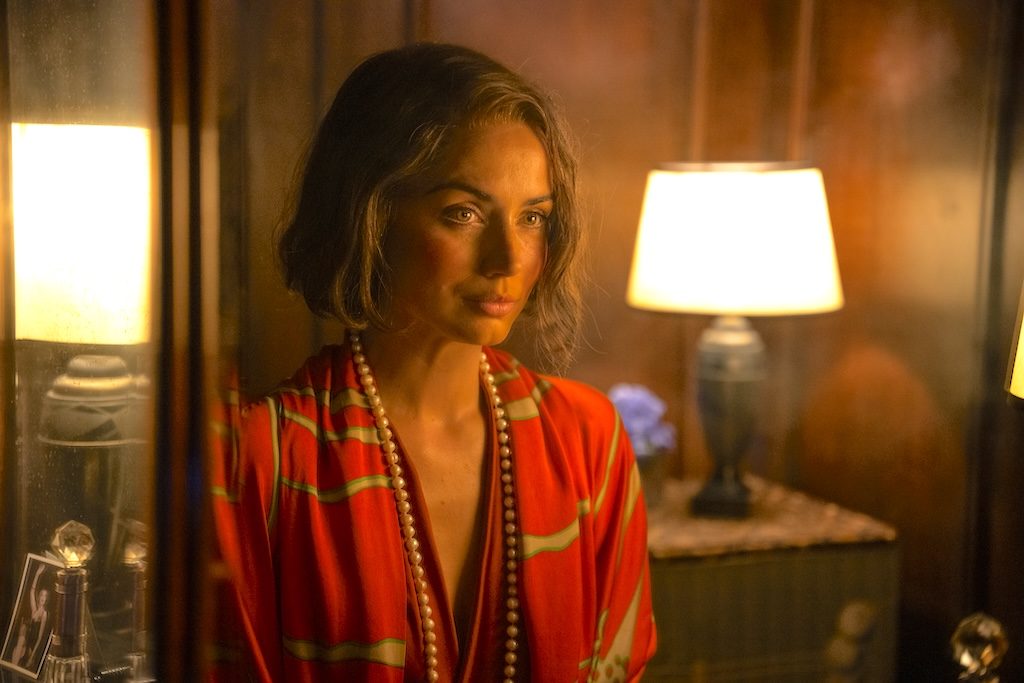
Baroness Eloise Wehrborn de Wagner-Bosquet (Ana de Armas) Photo courtesy of Vertical Releasing
The Challenge of Condensing a Vast Story
Eden is undoubtedly a sprawling story of living in the wild that had to be condensed into a two-hour film.
Originally, Pink wrote 10 – 12 pages detailing life in Berlin, Germany for Heinz (Daniel Brũhl) and Margret Wittmer (Vanessa Kirby) before they arrived in the Galapagos Islands. “We felt the movie really begins on the island, so we decided to start there,” Pink mentions. Ultimately, this section was excised from the screenplay because “it only provided context, but ultimately felt unnecessary.” Audiences were already familiar with the events in Germany leading up to WWII and didn’t need them revisited.
There were many additional Baroness Eloise Wehrborn de Wagner-Bosquet (Ana De Armas) hijinks that Pink wrote that didn’t make the final cut because they deviated from the main spine of the story. Her elevated antics were as comical as her name.
The Evolution of the Script
Ron Howard had been thinking about Eden for around 15 years before he collaborated with Noah Pink. The screenwriter wrote three main drafts followed by years of “tinkering.” During this process, he realized that Margret Wittmer was the heart of the story.
“Centering the narrative around her was a challenge because she doesn’t have much agency, which made it difficult to evoke sympathy,” Pink shares. The main rewrites focused on refining character arcs and relationships.
Around the mid-point of the movie, there is a big brunch scene hosted by the Baroness where a character develops food poisoning. This is a pivotal scene according to Pink. “It encapsulates the dynamics between the characters and the underlying tensions that drive the narrative. It’s a moment where the façade of civility begins to crack, revealing the desperation and survival instincts lurking beneath the surface,” Pink adds.
Screenwriting Lessons Learned
Noah Pink ponders his evolution as a screenwriter and offers some writing craft insights.
“Scripts are never finished. Once you get actors on board and start reading through, it becomes a whole different beast. As much polishing as you can do, you really start from a new place once the movie comes together. It’s a continuous process of evolution, and I’ve learned to embrace that,” Pink concludes.

Join the Discussion!



Browse our Videos for Sale
[woocommerce_products_carousel_all_in_one template="compact.css" all_items="88" show_only="id" products="" ordering="random" categories="115" tags="" show_title="false" show_description="false" allow_shortcodes="false" show_price="false" show_category="false" show_tags="false" show_add_to_cart_button="false" show_more_button="false" show_more_items_button="false" show_featured_image="true" image_source="thumbnail" image_height="100" image_width="100" items_to_show_mobiles="3" items_to_show_tablets="6" items_to_show="6" slide_by="1" margin="0" loop="true" stop_on_hover="true" auto_play="true" auto_play_timeout="1200" auto_play_speed="1600" nav="false" nav_speed="800" dots="false" dots_speed="800" lazy_load="false" mouse_drag="true" mouse_wheel="true" touch_drag="true" easing="linear" auto_height="true"]





You must be logged in to post a comment Login