
Breaking Down The Long Walk: Differences and Similarities Between Stephen King’s Novel and JT Mollner’s Movie

Stephen King’s novel The Long Walk was long considered unfilmable due to its inherent meditative narrative structure. Written when King was just 19 years old (published in 1979 under his pseudonym Richard Bachman), the story is fundamentally an internal, psychological journey with minimal external visual action. The plot centers on a brutal walking competition where contestants are killed if they walk below a certain pace, making it extremely challenging to translate the story to film. Contestants can not stop to rest, eat, or perform essential bodily processes.
Director Francis Lawrence (who directed several installments of The Hunger Games) and screenwriter JT Mollner (Strange Darling) finally cracked the adaptation code by making several strategic narrative enhancements to better suit the cinematic medium, while preserving the the novel’s core theme of finding hope in a country that no longer offers the American dream it once promised amid the psychological and ethical tensions.
Main Structural Differences
The number of contestants was reduced from 100 to 50, making the story more focused by increasing opportunities for deeper character development. The walking pace was lowered from 4 mph (in the book) to 3 mph in the film (to more accurately represent walking speed), following King’s own suggestion. The film introduces and clarifies the regime’s justification for the Walk and its propaganda, giving audiences a stronger understanding of why such a crass spectacle exists via a promise of unimaginable riches awarded to the winner.
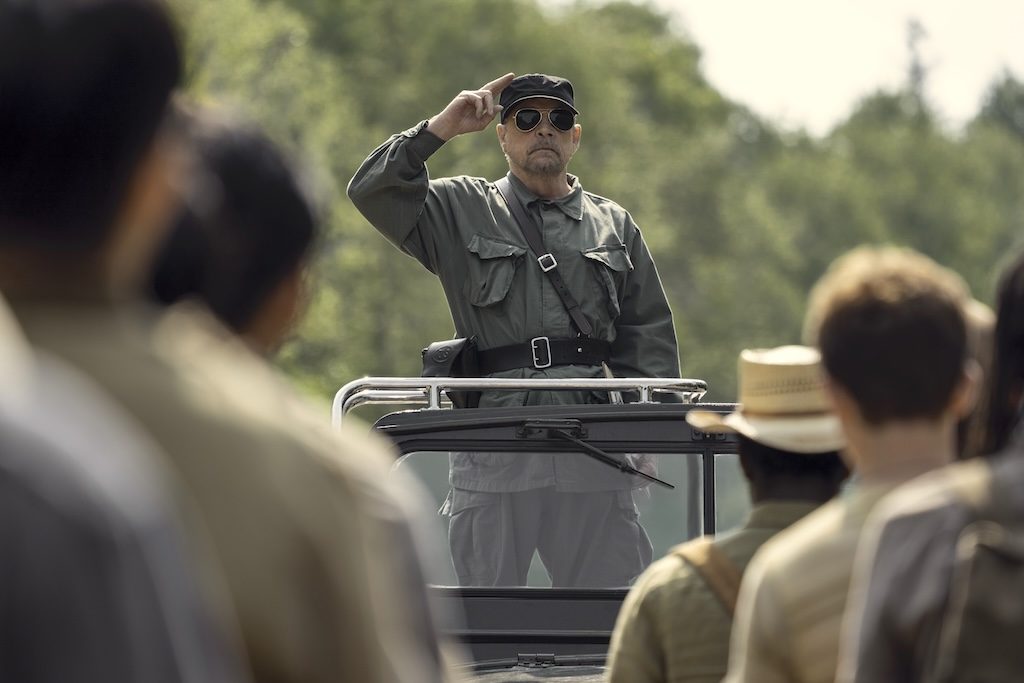
The Major (Mark Hamil) Photo by Murray Close/ Lionsgate
Changes to Characters and Relationships
Several minor characters, like Scramm and The Vanguard brothers in the novel, were cut or merged with others for the film. Stebbins (Garrett Wareing) inherits traits from Scramm and becomes more physically imposing. Raymond Garraty’s (Cooper Hoffman) friendships, particularly with Peter McVries (David Jonsson), are also made more central in the movie. McVries never leaves Ray’s side throughout the Walk, amplifying their mutual dependency and allowing for heightened dramatic conflict, heartbreak, and resolution within their friendship.

JT Mollner
Stebbins is merged with Scramm’s traits, and his relationship to The Major is made more explicit, creating a clearer arc of longing for recognition and eventual tragic sacrifice.
Mollner places Ray into more cruel and violent confrontations with The Major (Mark Hamill), giving Ray active choices and personal agency rather than just passive endurance.
In JT Mollner’s film adaptation of The Long Walk, The Major is portrayed with more direct and tangible menace compared to Stephen King’s novel, where he is more of an abstract, distant authoritarian figure.
Death scenes — such as Gary Barkovitch (Charlie Plummer), who in the book rips out his own throat, but in the film stabs himself — were changed to emphasize despair and tragic choice, underscoring the fatal consequences of those how defy from the simple but strict rules.
[More: How JT Mollner Used ‘Halloween’ As A Gateway Into His Horror Movie “Strange Darling”]
Significant Plot and Ending Changes
The time between warnings is cut from 30 seconds to 10 seconds, adding tension suitable for film pacing. The Major’s fate is also altered. The final three walkers are Stebbins, Garraty, and McVries. Stebbins and Garraty both die in sacrificial acts, leaving McVries to shoot The Major and walk down an empty street, creating ambiguity about whether he dies or goes insane. The novel closes with Garraty’s mental collapse after victory, a more ambiguous, but internalized conclusion.
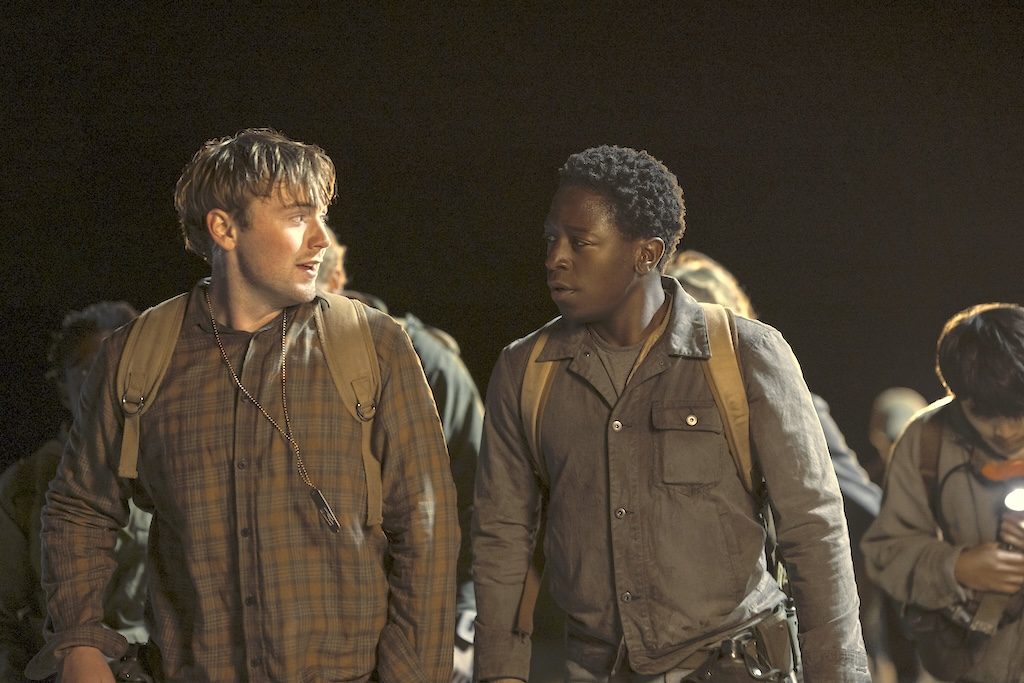
Raymond Garraty (Cooper Hoffman) Peter McVries (David Jonsson) Photo by: Murray Close
Thematic Emphasis
JT Mollner’s adaptation of The Long Walk externalizes emotional arcs and relationships that are largely internal in the book, making trauma, camaraderie, and despair more visible and accessible to viewers. There is a stronger emphasis on spectacle, propaganda, and authority/ authoritarianism in the movie which is more aligned with current social anxieties.
The key overarching themes in the story are:
Survival and Endurance: The brutal physical and psychological endurance required to stay in the Walk is central, depicting human limits under extreme oppression and exhaustion.
Friendship and Loyalty: The relationships between the boys, especially between Garraty and McVries, are highlighted as a vital emotional nucleus, exploring themes of brotherhood, camaraderie, and solidarity amid despair.
Systemic Cruelty and Totalitarian Control: The dystopian regime’s oppressive power, symbolized by The Major and the deadly contest, illustrates social commentary on authoritarianism and the expendability of youth under such systems.
Sacrifice and Desperation: The adaptation does not shy away from depicting the harrowing sacrifices the boys make and the despair that pushes some to self-destruction, echoing King’s original unflinching portrayal of psychological warfare. It also demonstrates the disposability of the boys.
Loss of Boyhood Innocence: The film emphasizes how youthful innocence is corroded by cruelty, survival pressures, and the loss of hope, making it a dark coming-of-age tale.
Existential Reflection and Ambiguity: The film maintains King’s existential ambiguity about winning, survival, and the meaning of the Walk, encouraging viewers to reflect on human nature and societal dynamics.
Mollner’s script balances fleeting moments of humanity amid crushing despair and fear, preserving the novel’s raw emotional intensity and thematic complexity without diluting its brutal honesty. This approach ensures the story feels and relevant to modern audiences wrestling with similar themes of systemic failure, youth vulnerability, and coping and endurance through solidarity.
JT Mollner portrays the loss of the American Dream in The Long Walk through a dystopian lens, emphasizing the brutal reality behind the largely unattainable ideal of success, freedom, and prosperity in a system rigged so the house always wins. The Long Walk portrays a society where the promise of hard work and meritocracy has been perverted into a cruel spectacle that sacrifices the youth for authoritarian control and entertainment, starkly contrasting the hopeful vision of the traditional American Dream. The winner of the Walk faces a hollow victory as the last boy standing.
💡 Think of it as your creative GPS—guiding you from “almost there” to “ready to pitch.”
No fluff. No vague comments. Just honest, constructive feedback designed to help your script stand out in a crowded market.

Join the Discussion!

Browse our Videos for Sale
[woocommerce_products_carousel_all_in_one template="compact.css" all_items="88" show_only="id" products="" ordering="random" categories="115" tags="" show_title="false" show_description="false" allow_shortcodes="false" show_price="false" show_category="false" show_tags="false" show_add_to_cart_button="false" show_more_button="false" show_more_items_button="false" show_featured_image="true" image_source="thumbnail" image_height="100" image_width="100" items_to_show_mobiles="3" items_to_show_tablets="6" items_to_show="6" slide_by="1" margin="0" loop="true" stop_on_hover="true" auto_play="true" auto_play_timeout="1200" auto_play_speed="1600" nav="false" nav_speed="800" dots="false" dots_speed="800" lazy_load="false" mouse_drag="true" mouse_wheel="true" touch_drag="true" easing="linear" auto_height="true"]







You must be logged in to post a comment Login