
How Screenwriters Can Modulate Tone to Keep Scripts Fresh, Engaging, and Alive

You’re two acts deep into what should be a gripping thriller. The stakes are high, the villain is menacing, and yet — something feels wrong. The audience has flatlined. Not because your plot has holes or your characters lack depth, but because your screenplay tone has been holding one relentless, unwavering note for ninety or more pages.
Like a singer who never leaves the same pitch, your script has stopped being music and started becoming a background hum.
Modulating tone in scripts is one of the most underestimated skills in the screenwriting craft. It is the invisible hand that guides your audience through peaks of tension and valleys of relief, through laughter that makes the tears hit harder and silence that makes the next explosion deafening. The greatest scripts are masterclasses in tonal range. They breathe. They shift. They surprise. Every detour from the prevailing tone should be organic and logical.
Yet for many writers, particularly those earlier in their script development journey, tone is treated as a fixed setting rather than a dynamic instrument. You pick your genre, you pick your mood, and you drive straight through to FADE OUT without ever daring to touch the dial. That leads to a serviceable script, but never a memorable one.
We’ll explore how to read your script’s emotional temperature, when and why to introduce tonal counterpoint, and how to use character voice, screenplay pacing, and scene construction to create the kind of tonal balance in screenwriting that keeps audiences leaning forward — never quite knowing what feeling is coming next, but always anticipating to feel it.
Tonal modulation creates rhythm: compression and release, levity and danger, intimacy and spectacle.
The important question is whether the transition is earned and how it’s executed.
Bong Joon-ho’s Parasite is frequently cited for its tonal, thematic, and genre shifts between social satire, domestic comedy, thriller, and horror. Those shifts work because the film seeds instability and uneasiness from the beginning. The Kim family’s early schemes such as tapping into somebody’s else’s wi-fi are funny, but the story’s visual design, class tensions, and increasingly precarious deceptions establish that the comedy has teeth.
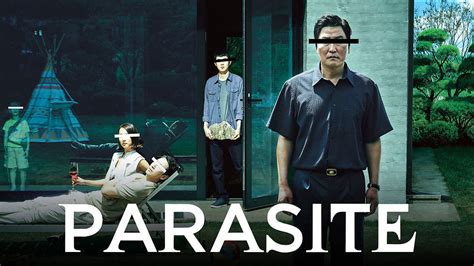
Photo courtesy of Neon
A tonal turn needs three things: a trigger, a bridge, and a consequence.
The trigger is the event that changes the emotional conditions. The bridge is the beat that lets the audience process it. The consequence is the new behavior or pressure created by that change.
If a character dies in a comedy-thriller, the script cannot simply resume banter at the same speed unless the story has established denial or callousness as an intentional response. Otherwise, the death becomes weightless and the audience stops trusting the writer to tell them what matters.
The mistake many writers make is confusing consistency with monotony. A script that never shifts in tone, never contains surprise, becomes numb and dull.
Related: How Todd Berger Rewrites Screenplays
Defining Primary and Secondary Tone
Your primary tone establishes the world. Secondary tones emerge in specific character moments, and those moments are what keep audiences invested across the runtime.
In Aaron Sorkin’s The Social Network, the primary tone is rapid-fire intellectual competitiveness. Speech runs at a mile a minute.
But Sorkin makes deliberate space for secondary tones: moments of genuine loneliness, flashes of tenderness between the Harvard characters, even occasional warmth. These moments don’t erase the primary tone; they complicate and enhance it.
In the pilot for The Bear, Christopher Storer uses fast successive dialogue and claustrophobic framing to establish a frantic, high-stakes environment. The writing reflects this through short, punchy action lines that never allow the reader to catch their breath.
The key is proportion. If your primary tone occupies 70% of the script, secondary tones should occupy 20-25%, with occasional pure emotional swings (5-10%) at critical plot points.
When Mark Zuckerberg sits alone in his dorm coding, the tone shifts toward isolation and obsession — a narrower, colder register than the smart-guy, rapid-fire banter he shares with his friends. We’ve spent enough time in the primary tone that we feel the difference. And the shift clarifies the character.
The most dangerous moments for tone are plot reversals and high-stakes turns. This is where writers often lose their voice because they panic and announce the shift.

Photo courtesy of Focus Features
In Greta Gerwig’s Ladybird, the tone never fundamentally changes. It remains affectionate-yet-conflicted, but when plot turns come (the mother’s cruelty, the financial strain, the relationship collapse), the weight of that same tone deepens. The world doesn’t become a different movie; it reveals new dimensions and depth. Compare that to scripts where a shocking plot turn suddenly hijacks the tone: a comedy becomes melodrama, a thriller becomes soap opera. These scripts feel like they were written by different people.
Look at the first and final beats of every scene. The opening establishes a baseline; the ending tells the reader what feeling to carry forward. When adjacent scenes are radically different, build a connective beat between them.
That bridge may be visual. It may be a character’s silence. It may be a joke that dies in the room. It may be a hard cut designed to create shock. The technique should be chosen, not accidental.
The Coen brothers are particularly adept at this. In Fargo, absurdity and brutality coexist because the film never treats violence as consequence-free. The comic behavior of criminals and small-town officials makes the world more specific. It does not erase the danger.
In television, episode breaks are major tonal tools. A comedic button before an act break can create propulsion. So can a reveal that recontextualizes the joke that came before it. The strongest breaks do not merely surprise; they clarify the series’ emotional priorities.
Related: David Ball’s Backwards & Forwards Screenwriting Guide
Track What Each Character Does to the Emotional Temperature
During revision, identify the tonal function of major characters. One might escalate anxiety. Another may puncture pretension. A third might introduce sincerity that the protagonist resists.
This is not about assigning characters a single note. It is about understanding their effect on scenes. In The Bear, Richie (Ebon Moss-Bachrach) can generate chaos, humor, and pain in rapid succession because each response grows from his insecurity and need for belonging. The series moves between panic and tenderness without becoming incoherent because its characters carry the shifts honestly.
Secondary registers also help you avoid monotony. A relentlessly grim drama can become numbing. A nonstop comedy can lose surprise. Character-specific contrasts allow relief, suspense, and vulnerability without changing the story’s essential identity.
Related: Jeffrey Kitchen on Screenwriting
Use Secondary Tones for Character, Not Confusion
A primary tone usually grows out of genre and premise. Secondary registers emerge through character. This is where sophisticated writing gains texture.
A crime drama may be fundamentally bleak, while one detective brings dry gallows humor and another brings domestic warmth. A workplace comedy may run on satire, while a particular relationship carries genuine romantic longing. These secondary notes make a story feel human rather than mechanically genre-bound.
The key is hierarchy. The character moment can temporarily alter the emotional temperature, but it cannot invalidate the governing experience of the piece.
In Better Call Saul, Vince Gilligan and Peter Gould allow Jimmy McGill’s showmanship to create comic energy. Yet the comedy is inseparable from tragedy: his charm is also avoidance, performance, and self-destruction. Even when the series is funny, its underlying dramatic direction remains legible.
Contrast that with an inserted gag that exists only because the writer wants a lighter page. If it does not arise from a character’s coping mechanism, worldview, or objective, it may feel imported from another show.
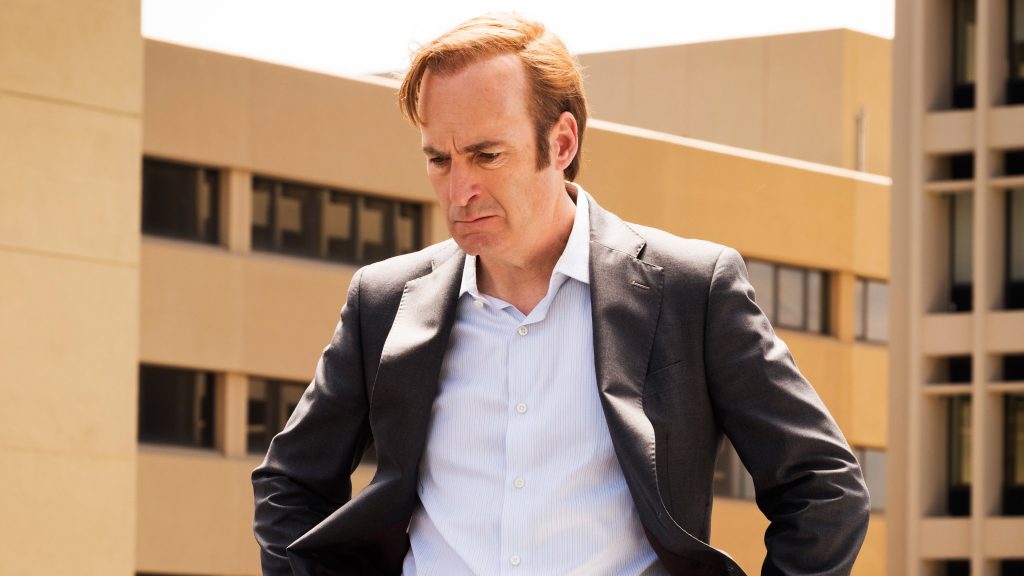
Jimmy McGill (Bob Odenkirk) Photo by Nicole Wilder/ AMC/ Sony Television Television
Guardrails For Character‑Driven Tonal Swings
To use secondary tone without chaos, set a few guardrails:
1. Decide which character never breaks the primary tonal rules. That person anchors the audience.
2. Limit how many relationships can completely invert the mood. Two or three is usually enough.
3. Track where secondary pockets intersect; those crossovers are high‑risk tonal moments that need careful staging.
Look at Succession: the show lives in acidic corporate satire, but the Kendall–Logan relationship occasionally slides into tragedy, and the siblings’ bickering sometimes becomes farce. The writers control these shifts by preserving the core toxicity and power imbalance across every mode.
Related: The Most Common Mistake in Spec Scripts
The Prose Style of Action Lines to Dictate The Feel
Your descriptive language, the action lines, the parentheticals, even the way you format sequences carries tonal weight.
A screenplay with punchy, short sentences creates rapid forward momentum and tonal brightness. He walks in. She stares. Tension.
A screenplay with longer, more elaborate descriptions creates weight and introspection. He enters slowly, each footstep deliberate, as if the room might give way beneath him.
These aren’t neutral choices. The first feels like Tarantino or the Coen Brothers. The second feels like Denis Villeneuve or Yorgos Lanthimos. Neither is better or worse, but they’re tonally different.
Choose your prose style early and sustain it. If your baseline is kinetic and punchy, page 87 shouldn’t suddenly turn lyrical. If your baseline is atmospheric and measured, don’t suddenly write like an action writer.
Your choice of words in action blocks is your primary tool for controlling the reader’s internal metronome. The prose of a screenplay is not just a set of instructions; it is a stylistic choice that communicates the intended vibe of the film.
For a high-octane action screenplay, use short, fragmented sentences. Eliminate unnecessary adjectives and focus on verbs that evoke speed and impact. Look at the scripts of Shane Black or Walter Hill for examples of how to “write the movie” on the page. Their prose mimics the staccato rhythm of a shootout.
Conversely, if you are writing a period piece or a slow-burn character study, your sentences can be more lyrical and atmospheric. In The Power of the Dog, Jane Campion uses evocative language to describe the landscape, mirroring the repressed emotional state of the protagonists. The writing feels heavy and deliberate, matching the film’s pacing.
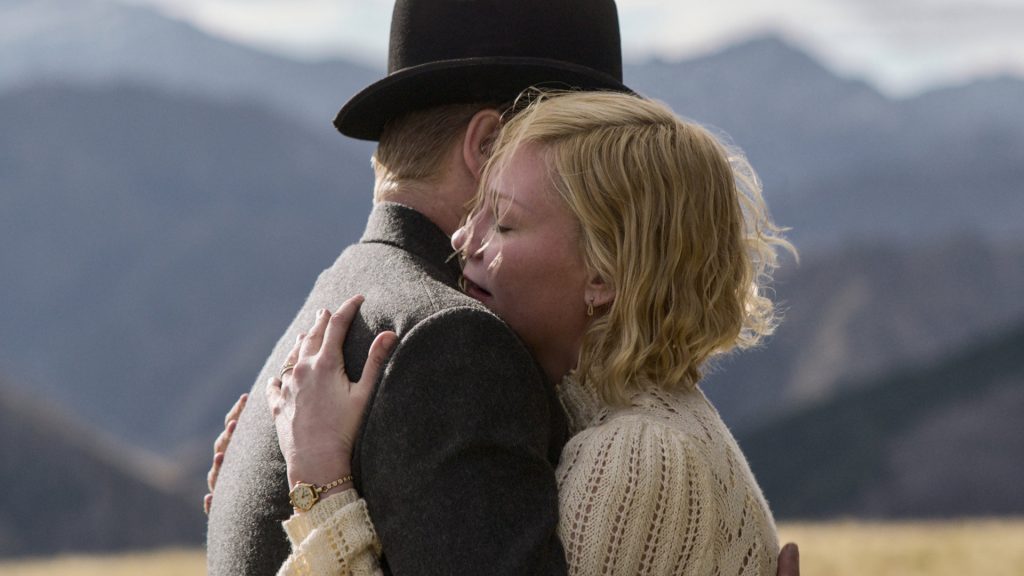
The Power Of The Dog. Photo courtesy of Netfliz
Related: Gut Reaction: Visceral Storytelling
Managing the Mid-Point Tonal Pivot
The mid-point of a script is often where writers struggle with consistency. It is the moment where the stakes are raised and the “fun and games” of the second act often give way to a darker, more serious reality. Navigating this shift requires a bridge of emotional logic.
If your script transitions from a comedy to a drama, the seeds of that drama must be planted in the first act. We see this in The Truman Show. While the initial premise is high-concept and often humorous, the underlying tragedy of Truman’s lack of agency is established early. By the time the story pivots into a desperate escape, the audience is tonally prepared for the shift.
To ensure your mid-point doesn’t feel like a different movie, track the emotional stakes of your protagonist. If the character’s internal struggle remains the central focus, the audience will follow them through various genre iterations. The tone follows the character’s psychological journey, making the transition feel earned rather than forced.
Related: Building A Better Script: Michael Hauge’s Blueprint
Identifying and Fixing Tonal Drift in Rewrites
Tonal drift is a common issue during the drafting phase. A writer might start with a specific vision, but find that new ideas emerge in the middle of the script that don’t quite fit the established world. This is why the revision process is essential for refining the frequency of the piece.
During your first pass of a rewrite, look specifically for scenes that feel “out of key.” Read your dialogue aloud. Does one character suddenly sound like they belong in a different film? Does a sequence of action feel too broad or too grounded compared to the scenes surrounding it?
One effective technique is to assign a “tonal keyword” to each scene. If your primary keyword is “claustrophobic,” check to see if every scene contributes to that feeling. If you find a scene that feels “expansive” or “light,” determine if it serves a specific purpose or if it is simply a remnant of an earlier, different idea for the script.
Related: 8 Screenwriting Screw-ups to Avoid
Diagnose Tonal Drift During Revision
Tonal inconsistency is often a symptom rather than the root problem. A scene may feel off because the character objective is unclear, exposition is too obvious, stakes have not been planted, or the writer has forced a plot beat the character would not naturally play.
Read the draft once for emotional logic only. Do not stop to fix dialogue. Mark where you feel the script’s center of gravity shift. Then ask practical questions:
– Does the scene belong to the same genre promise as the first act?
– Does the humor emerge from pressure, or does it pause the story?
– Has the script changed its moral attitude toward a character?
– Does the scene’s visual language fit the rest of the draft?
– Are consequences being treated with the same weight as earlier scenes?
– Has a supporting character become more cartoonish than the world allows?
Table reads are especially useful here. A line that seemed dry on the page may get a broad laugh. A joke intended as relief may make a serious character look foolish. Listen not only for whether people laugh, but for when they stop believing.
A useful revision tactic is the “tone pass.” Read every scene involving a single character, every action sequence, or every comic beat in succession. Patterns become obvious when you remove plot momentum from the equation. You may discover that a character’s voice changes whenever the story needs exposition, or that the script becomes more cynical after the midpoint without earning that evolution.
The standard is not sameness. It is coherence. Your audience should feel that the story is leading them somewhere — even when it surprises them with how it gets there with its story rhythym and flow.
Related: Are Your Scripts Written in Clay or Written in Marble?
Common Tonal Pitfalls
Inconsistent Genre Awareness
Some scripts treat their genre as a suggestion rather than a framework. A romantic comedy that suddenly forgets it’s a comedy, a thriller that loses its propulsive urgency, a drama that devolves into melodrama. These failures almost always stem from tonal inconsistency. Know what genre you’re working in, and know what that genre demands tonally.
Tonal Whiplash
This happens when a writer attempts a big emotional beat without having earned it tonally. A script that’s been quick and light suddenly tries for soul-crushing vulnerability — and the audience doesn’t believe it because the sensibility of the world doesn’t support it.
Prepare your audience. If you want a moment of genuine darkness in an otherwise bright world, plant the darkness earlier. If you want humor in a dark world, establish the character’s capacity for it before the moment arrives.
Losing Tone to Information
Many writers shift tone when they’re delivering necessary information — exposition, plot mechanics, worldbuilding. This is a trap. Your tone should be flexible enough to carry information without breaking character.
Coen Brothers scripts deliver massive amounts of exposition without tonal shift because the information is delivered within the sensibility of the world, usually through dialogue that’s already tonal.
Confusing Tone Modulation with Contradiction
Some writers think “consistency” means “never changing,” so they resist any tonal variation. But scripts without modulation are monotonous and boring. The trick is modulating within your established tone, not abandoning it.
A character can be vulnerable without the script becoming melodramatic. A scene can be funny without the script becoming unserious. A world can become darker without ceasing to be your world.
Professional screenwriters don’t leave tone to instinct. They architect it, sustain it, and use it as the foundation for everything else. The script that maintains a clear, consistent tone—modulated intelligently—is the script that holds an audience, earns trust, and makes the journey from page to screen.
Related: Creating Believable Characters

Join the Discussion!



Browse our Videos for Sale
[woocommerce_products_carousel_all_in_one template="compact.css" all_items="88" show_only="id" products="" ordering="random" categories="115" tags="" show_title="false" show_description="false" allow_shortcodes="false" show_price="false" show_category="false" show_tags="false" show_add_to_cart_button="false" show_more_button="false" show_more_items_button="false" show_featured_image="true" image_source="thumbnail" image_height="100" image_width="100" items_to_show_mobiles="3" items_to_show_tablets="6" items_to_show="6" slide_by="1" margin="0" loop="true" stop_on_hover="true" auto_play="true" auto_play_timeout="1200" auto_play_speed="1600" nav="false" nav_speed="800" dots="false" dots_speed="800" lazy_load="false" mouse_drag="true" mouse_wheel="true" touch_drag="true" easing="linear" auto_height="true"]







You must be logged in to post a comment Login