
Deconstructing Apple TV’s “Murderbot”: The Creative Vision of Alexander Skarsgård and Chris & Paul Weitz

Based on Martha Wells’ bestselling Hugo and Nebula Award-winning book All Systems Red: The Murderbot Diaries, Apple TV’s Murderbot is a sci-fi thriller/ comedy. Murderbot is a cyborg designed to protect humans on a mission. It has self-hacked to think independently from its original private security programming, overriding its ‘governor unit,’ preferring instead to watch futuristic soap operas as it experiences human emotions.
In a revealing roundtable chat, Actor and Executive Producer Alexander Skarsgård joined Showrunner/ Writers/ Directors/ Executive Producers Chris and Paul Weitz to discuss their approach to adapting the story while remaining true to its spirit.
Chris Weitz set the stage: “There’s something really specific about the tone of [Wells’] writing, and especially the main character, Murderbot. It would be interesting to do… what I call ‘the show,’ so that the quirks of various characters who might not have been fully described in the books were able to come out more.”
Paul Weitz adds: “The main character [Murderbot] is so interior, so much of it is in their head. It’s about finding ways to make that voice-over and internal struggle both cinematic and engaging.”
Preserving Murderbot’s Voice and Mission
Both Chris and Paul Weitz emphasize that the heart of the adaptation lay in preserving Murderbot’s singularly quirky voice — a blend of deadpan humor, anxiety, and reluctant heroism.
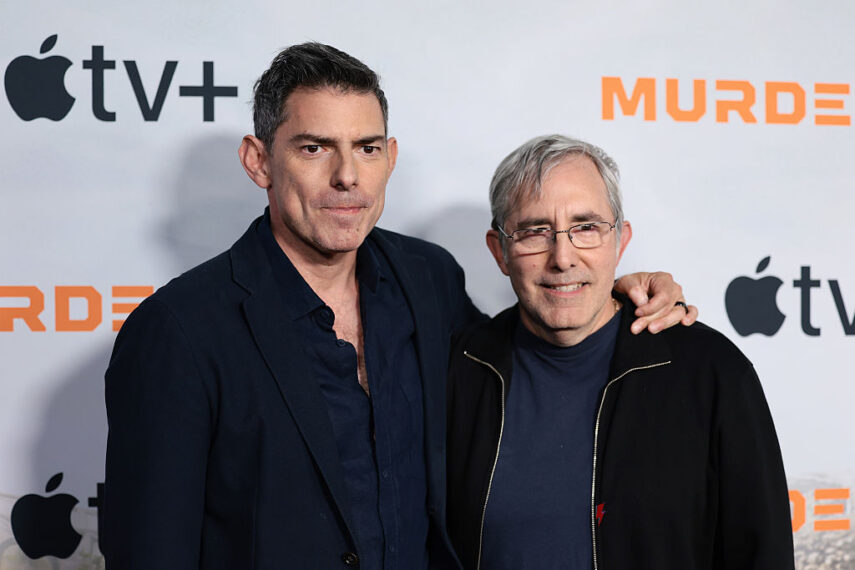
Chris & Paul Weitz
Chris explains: “In the books, Murderbot is so focused on his own experience that the humans around him are often sketched in only as much as necessary. Television lets us show the world from a few more angles, but at the core, it’s always about Murderbot’s perspective.”
Paul elaborates on the unique challenge of internal narration of Murderbot’s thoughts: “We wanted to really ride the edge — we didn’t want a sci-fi cliché or just a ‘robot learns to feel’ story. Murderbot’s voice-over isn’t just a device — it’s the emotional core.”
Alexander Skarsgård: Becoming Murderbot
For Alexander Skarsgård, stepping into the role of Murderbot meant more than simply playing a robot with too many human feelings. Bringing nuance and humanity to a character is a delicate balance.
Skarsgård reflects: “I’m probably a bit more social than Murderbot, but I’ve definitely had the experience of walking into a room and trying to assess the situation or feel out the vibe and feeling a bit out of place. It was just about leaning into that heavily and just sensing the desperation; desperately trying to avoid eye contact or being motivated to get the hell out of there as quickly as possible. And it was quite fun playing it because they’re so tactile, and Murderbot hates physical contact.”
The production team and Skarsgård worked closely to find the right balance between expressive physicality and robotic restraint. “The tricky part was staying true to my initial idea of not being very expressive. I asked myself many times, ‘Is this just going to read at all, or is it just going to come across as boring? Will it feel flat?’”
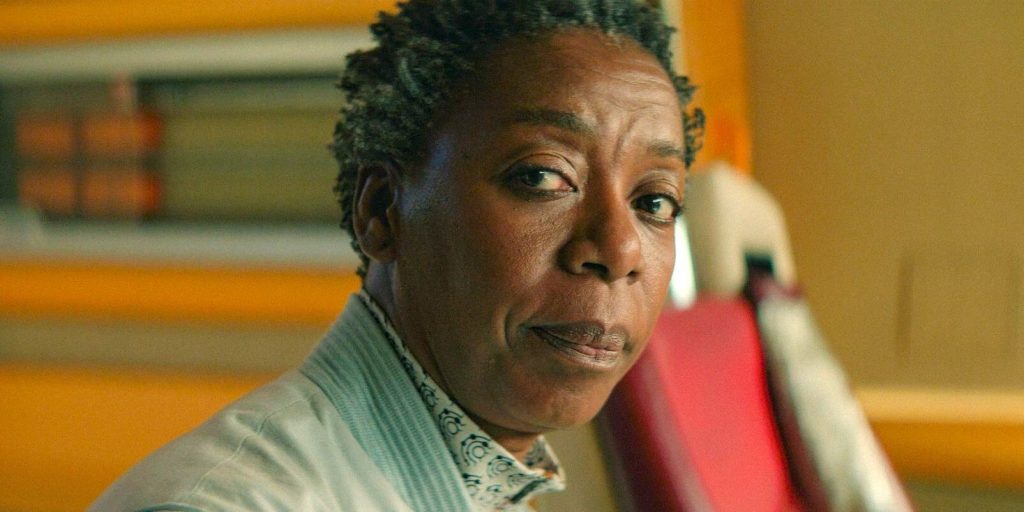
Mensah (Noma Dumezweni) Photo courtesy of Apple TV
The “Reluctant Hero” and Deadpan Humor
Murderbot is a reluctant hero according to the show’s creators. Skarsgård’s portrayal captures the awkwardness and anxiety that defines the character, turning what could be flat take into a nuanced, even funny, performance.
Skarsgård says: “I find Murderbot incredibly relatable. To live in that level of discomfort is impressive.”
The deadpan humor, so vital to the essence of the books, was also key to the the success of the show. Chris Weitz states: “Usually in science fiction, if something’s funny, it’s kind of ironic. Murderbot is not trying to be funny, but its reactions and avoidance are hilarious because they’re so genuine and so human.”
Building Murderbot’s World
The Weitz brothers saw the adaptation as an opportunity to expand the world around Murderbot, giving depth to supporting characters barely mentioned in the books. The focus remained on ensuring that every decision reflected Murderbot’s perspective.
Paul Weitz notes: “We’re not just making a sci-fi spectacle. At every step, we ask: Does this feel like something Murderbot would notice? Is this situation more about Murderbot’s discomfort than about the plot?”
This philosophy shaped everything from set design to the way action scenes were shot. The creative team avoided typical “gee whiz” visual effects in favor of grounded, character-driven storytelling.
Chris Weitz elaborate: “A big part of doing something like this is realizing you’re making two things at once. There’s the live action with, basically an animated film on top of it.”
Murderbot’s Voiceover: The Emotional Spine
A major feature in the adaptation was the use of voice-over to capture Murderbot’s interiority. This required extensive collaboration in post-production, as the team often re-recorded and reworked voiceover lines to ensure they matched the evolving story edits and performances.
Chris Weitz shares: “We all spent three weeks together in post re-recording the voiceover because it was written a year before we shot the series. The voiceover is commenting on what’s happening on screen.”
Paul continues: “We thought a lot about how much to let the audience into Murderbot’s head. It’s a delicate balance. Too much, and you lose the mystery; too little, and you lose what’s special about this character.”
Human-ish Characters: Friends and Foes
Though the story is told through Murderbot’s eyes, the human characters are vital, both as foils and as insights into what Murderbot both fears and desires. The Weitzes were careful to avoid caricature, especially in creating antagonists.
Paul Weitz mentions: “It was important to have an antagonist to Murderbot. The others, including Mensah (Noma Dumezweni) are so loving, inviting and nonjudgmental. It was important that Murderbot’s situation would reveal who Murderbot really is and what it’s done; the fact that it has hacked this government module. Because Gurathin (David Dastmalchian) is an augmented human, he operates on a different level than the other regular humans, and that’s a real threat.”
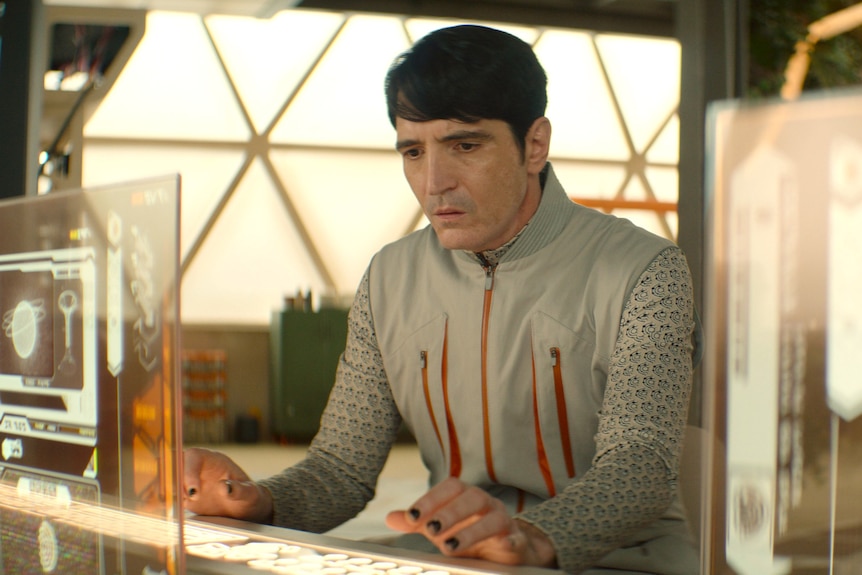
Gurathin (David Dastmalchian) Photo courtesy of Apple TV
Collaboration and Creative Chemistry
Throughout the production, collaboration was key. Skarsgård wasn’t just the lead actor — he was a key creative partner.
Chris Weitz mentions: “Early on, Alexander was a producer on the show, and early on he said to us not to move too quickly because then there’s no place to go.”
Paul adds: “We needed someone who could anchor the show, who could hold the center even when the character barely wants to be there. Alexander’s approach made all of Murderbot’s awkwardness and reluctance feel real.”
The Humanity of Murderbot
At its heart, the creative team agrees that Murderbot’s story resonates because it is, paradoxically, so human. And most of the time, he evades all those pesky feelings which complicate matters.
Chris Weitz concludes: “What resonated with me was the heart. What I loved about being a part of this project was how we were able to infuse more humanity in it than we oftentimes able to see in humans nowadays. And I think that’s part of what resonates with audiences.”
Skarsgård chimes in: “It’s about a character who wants nothing more than to be left alone, but keeps getting pulled into helping others. That tension — between wanting to hide and needing to connect — is what makes Murderbot unique.”
Murderbot lies at the intersection of awkwardness, deadpan humor, and genuine heart, Murderbot’s journey from page to screen becomes a story not just about artificial intelligence, but about the messy, essential business of being — and becoming — human.

Join the Discussion!



Browse our Videos for Sale
[woocommerce_products_carousel_all_in_one template="compact.css" all_items="88" show_only="id" products="" ordering="random" categories="115" tags="" show_title="false" show_description="false" allow_shortcodes="false" show_price="false" show_category="false" show_tags="false" show_add_to_cart_button="false" show_more_button="false" show_more_items_button="false" show_featured_image="true" image_source="thumbnail" image_height="100" image_width="100" items_to_show_mobiles="3" items_to_show_tablets="6" items_to_show="6" slide_by="1" margin="0" loop="true" stop_on_hover="true" auto_play="true" auto_play_timeout="1200" auto_play_speed="1600" nav="false" nav_speed="800" dots="false" dots_speed="800" lazy_load="false" mouse_drag="true" mouse_wheel="true" touch_drag="true" easing="linear" auto_height="true"]







You must be logged in to post a comment Login