
How Screenwriters Can Leverage Short-Form Content to Build and Sustain Careers

The term “content” has been widely discussed in creative circles without it ever being fully defined. It’s often used interchangeably to mean short films, trailers, sizzle-reels, graphic novels, micro content or proof of concept clips. Sometimes, the definition extends into podcasts, blogs, and other material. All these formats may stand alone or exist in service to a film or series. Which brings us back to our original question – What exactly is content?
In its simplest form, content is a more specific, immediate online product with the primary aim of generating revenue and awareness. The success of content is mainly determined by income or other measurable metric. Content is made by creators and films are made by filmmakers. Some may perceive these differences as defining, while others see them as part of the same creative spectrum.
Content is lean, it’s watchable in short bursts, and it’s optimized for algorithmic distribution rather than satisfying traditional gatekeepers and decision makers. The gatekeepers are studios, networks, producers, and agents who read these scripts looking for ideas worth investing millions of dollars to produce.
A TikTok video might be 15 to 60 seconds long. A YouTube Shorts piece could last three to seven minutes. A branded content series for a fashion company might consist of 30-second to two-minute episodes designed to sell a lifestyle alongside a product. These aren’t just shorter scripts — they require modified thinking about pacing, visual storytelling, and engagement.
Here are some noteworthy observations:
– YouTube Shorts now has 200 billion daily views (as of 2025)
– YouTube became larger than Netflix in revenue in 2025 ($60+ billion vs Netflix’s $45.18 billion)
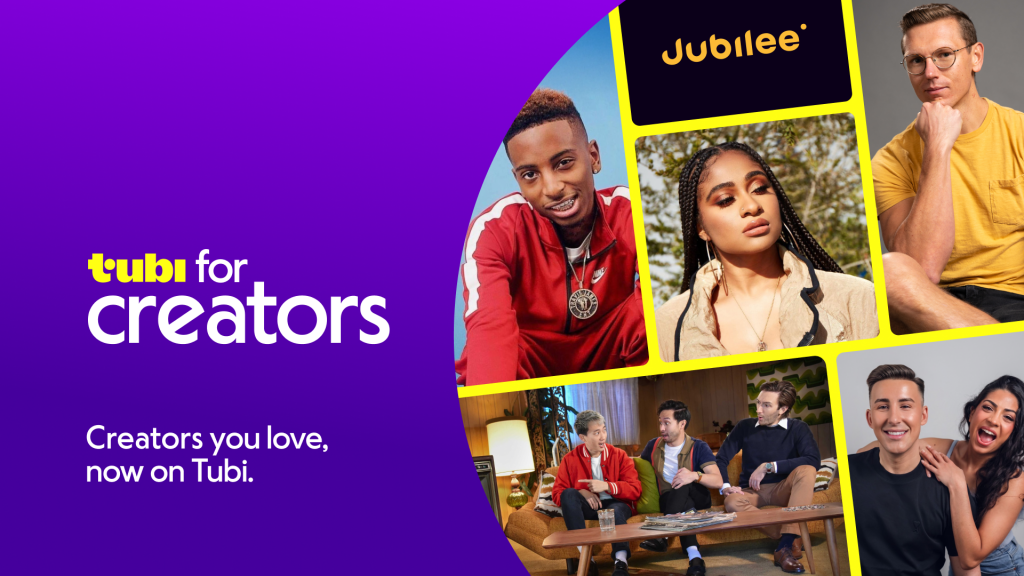
– Tubi for Creators launched in 2025 with 10,000+ episodes from 100+ creators
– Susie Yankou developed web series “101 Ways to Get Rejected” which became adapted for TV with Bryan Cranston as EP through Moonshot Entertainment
– Mark Rober got a Netflix deal in 2025
– Markiplier leveraged his YouTube following to get Iron Lung made.
– Ms. Rachel’s YouTube success translated to Netflix
– Dude Perfect, Mythical Entertainment, Good Good Golf are raising massive institutional capital
– Creator economy projected to reach $480 billion by 2027
– Disney acquiring 2% of Webtoon and its ecosystem
– YouTube has paid creators over $100 billion to date
Content Versus Traditional Scripts: The Essential Differences
Content operates under entirely different parameters, often more favorable to the artists themselves.
Traditional scripts require significant capital investment before ever reaching an audience, while content can be filmed with a smartphone and distributed instantly to millions worldwide. YouTube Shorts alone now averages 200 billion daily views, and YouTube’s 2025 advertising revenue exceeded $60 billion, surpassing Netflix for the first time. That’s an ecosystem where a screenwriter can build a genuine career and online footprint without a traditional intermediary.
The storytelling format is notably compressed. Where a feature film builds tension over two hours, a TikTok video has about six seconds to earn a viewer’s attention before they swipe away. While traditional screenwriters must navigate producer notes, network notes, and studio mandates without any guarantee of being produced, content creators generally have complete creative control over their work. The main roadblocks in online content are breaching content standards, plagiarism, or simply not being the right fit for a platform.
Content creators typically utilize a direct to consumer monetary model. They can earn directly, bypassing a traditional distributor or network, minus platform hosting fees. Creators are therefore less reliant on residuals or profit sharing models. The greater the views, the greater the income.
Traditional scripts primarily serve as production blueprints to secure financing or a studio deal. Content frequently serves both as a finished product for audiences and as a calling card to attract producers, investors, and fans.
Scripts follow strict formatting conventions and industry expectations. Content includes non-scripted assets crafted and adjusted to meet platform behavior and audience attention patterns.
Film/TV scripts are pitched into gatekept development channels. Content can be self-distributed and can build an audience or metrics that create leverage. Content yields measurable audience data (views, engagement, conversion) which can be used in deal negotiations; traditional scripts rarely come with these.
Monetization: Generating Multiple Revenue Streams
The beauty of the content economy is its flexibility and ease of scale. Screenwriters can pursue several monetization strategies simultaneously, creating diversified income streams that traditional screenwriting rarely offers. Creators can make adjacent versions of a base property appropriate to various platforms and more closely track their audience sources and behaviors in close to real time.
Platform monetization remains the most accessible entry point. YouTube, TikTok, Instagram, and other platforms share revenue with creators once they meet pre-set thresholds. With YouTube Shorts reaching 200 billion daily views, writers who build audiences can earn substantial income directly from the platform. This is the exception rather than the rule. In 2025, creators were reporting monthly earnings ranging from $5,000 to well over $100,000, depending on audience size and engagement.
Sponsorships and brand deals represent the industry’s key growth area. An advertising analysis found that branded content with creators was growing four times as fast as traditional media spending. A screenwriter creating short-form content might secure influencer sponsorships from $10,000 to $100,000+ per campaign once they build audience loyalty and consistency.
Patreon and other subscription services allow creators to offer exclusive content to paying subscribers. Successful screenwriters are earning $2,000 to $20,000+ monthly from Patreon communities that value behind-the-scenes writing process, early access to new scripts, and mentorship.
Licensing and adaptation deals create the most lucrative long-tail revenue. In 2025, Tubi launched Tubi for Creators, a program that placed over 10,000 episodes from more than 100 independent creators onto its streaming platform, offering development funding and revenue sharing. This is particularly significant because streaming platforms are now actively seeking creator-produced content rather than waiting for traditional production companies to pitch it.
Direct institutional investment is viable. The creator economy is projected to reach $480 billion by 2027. Screenwriters building substantial audiences can now attract venture capital, growth equity, and private equity investment — opportunities previously available only to traditional media companies.
Recent Success Models: Web Series to Television
Susie Yankou exemplifies the modern proof-of-concept pathway. She created a web series called 101 Ways to Get Rejected, which she wrote, directed, and starred in. The series demonstrated her voice, comedic sensibility, and ability to execute. The result: Moonshot Entertainment adapted the web series for television with Bryan Cranston attached as executive producer. She then went on to develop a teen comedy with Belletrist TV alongside showrunner Marlene King. Her feature film Sisters, which she also wrote and directed, premiered at film festivals and was picked up for release.
This pathway was impossible five years ago. Yankou didn’t need to shop a script to agents. She proved her concept with actual executed work that existing audiences could evaluate.
Ms. Rachel, a YouTube creator who built a massive following for educational content targeting children, saw her success translate directly to a Netflix deal in 2025. Her YouTube audience wasn’t a stepping stone; it was the proof that convinced Netflix her content could boost subscriptions.
Mark Rober, the former NASA engineer and engineering creator on YouTube, secured a Netflix deal in 2025 after building an audience that demonstrated both the viability of educational entertainment and his audience’s loyalty across platforms.

Why Studios & Streamers Care
This shift represents a fundamental market reality where studios are demanding more accountability from their investments. Studios are using creator-made proof of concept as market research. They can assess:
– That your concept resonates with audiences (watch time, engagement metrics)
– How the story actually plays visually (not just on the page)
– Your ability to execute at a professional level
– Existing fanbase and community interest that reduces marketing risk
Netflix, once dismissive of creator-led content, has completely reversed course. Streaming platforms now actively recruit creators, understanding that:
– Creator-built audiences migrate with the creator (reducing subscriber acquisition costs)
– Creator economics prove demand without expensive research or marketing
– Creator-produced content often costs less to produce while maintaining audience loyalty
YouTube’s institutional support for creators expanded dramatically in 2025. The platform announced over 30 new tools specifically designed to help creators monetize and produce more efficiently, including AI editing tools, dynamic ad-insertion technology, and analytics integration.
How Writers Can Leverage Content for Career Building
Building a production portfolio: Screenwriters can create multiple pieces of short-form content showcasing different genres and their sensibilities. A writer interested in genre work might create several three to five-minute sci-fi or thriller pieces. A comedy writer could publish sketches and comedic videos. This portfolio becomes far more effective than query letters and loglines because agents and producers can actually experience your voice in action.
Demonstrating audience attraction: The traditional screenwriter’s path involves pitching to gatekeepers with the slim hope of being discovered. Content creation inverts this. You can build your own audience, objectively demonstrating marketability and audience loyalty to producers. A screenwriter with 50,000 YouTube subscribers suddenly becomes a more attractive investment proposition than an unknown screenwriter with a great pitch. Institutional investors and studios explicitly factor creator audience size into development deals, with some greenlight decisions hinge entirely on provable audience appeal.
Exploring your feature or series idea pre-production: Before committing to a full 110-page screenplay, create a 5-minute short that explores your feature concept. This tests whether the idea actually works dramatically and helps you refine the story. For series ideas, create a three to five-minute proof of concept showing the pilot’s tone, setup and typical scenes.
Attracting agents and management directly:Be searchable and discoverable. Content creators engage directly with fans, other creators, and industry professionals who discover your work online then join your communities. Multiple successful writers report that agents approached them after discovering their YouTube channels.
Monetizing while you develop longer-form work: Content creation generates actual consistent income. Screenwriters can earn real money from content while working on feature and series projects.
Institutional Investment and Scale
Financial institutions recognize the economic value of creator economics. Dude Perfect, the trick-shot group, raised $100+ million in institutional capital. Mythical Entertainment, founded by YouTube creators Rhett and Link, secured major investment deals. Good Good Golf received substantial venture funding to scale from a YouTube channel into a diversified media company with retail partnerships, brand collaborations, and multiple revenue streams.
These aren’t unicorns — they represent a seismic structural trend in our industry. Hollywood isn’t dying. It’s being reconfigured. Hollywood talent agencies like CAA, WME, and UTA all launched divisions dedicated to digital creators, signaling that the creator economy is no longer viewed as supplementary, but as essential to the industry’s future.
Monetization pathways for content
Direct monetization: Publish short-form content on ad-supported platforms and earn revenue once thresholds are met.
Subscriptions & memberships: Offer serialized episodes, scripts, behind-the-scenes content on Patreon, Substack, or a paid newsletter.
Pay-per-view / transactional video: Sell short films, interviews, or live readings directly via Vimeo On Demand, Gumroad, or similar.
Crowdfunding & pre-sales: Kickstarter/Indiegogo: Raise production budgets while providing tiers of exclusive content (scripts, early access, signed posters).
Presales: For serialized content or special editions/ directors’ cuts
Licensing & format sales: Sell foreign, remake, or format rights
Merchandise: T-shirts, posters, soundtrack, or collectible items
Digital assets: Sell PDFs of scripts, scene breakdowns, or “behind the scenes” or craft masterclasses
Branded mini-episodes or product integrations where writer retains creative control in exchange for funding
Grants, festivals, and prize money: Film funds and festivals that provide funding, distribution, or cash prizes to develop or complete work
Royalties & backend deals after acquisition: If a larger company acquires IP (feature option, series order), writers can negotiate option fees, writing assignments, and backend points.
Why writers should think in “content-first” terms
Making content changes the economics and career trajectories for writers. Rather than waiting for gatekeepers to greenlight a project, writers can produce proof, gather an audience, and convert attention into deals, funding, or ancillary revenue. Content also expands creative possibilities: serialized micro-dramas, interactive threads, or immersive audio can demonstrate voice and worldbuilding in ways a script alone cannot.

Join the Discussion!



Browse our Videos for Sale
[woocommerce_products_carousel_all_in_one template="compact.css" all_items="88" show_only="id" products="" ordering="random" categories="115" tags="" show_title="false" show_description="false" allow_shortcodes="false" show_price="false" show_category="false" show_tags="false" show_add_to_cart_button="false" show_more_button="false" show_more_items_button="false" show_featured_image="true" image_source="thumbnail" image_height="100" image_width="100" items_to_show_mobiles="3" items_to_show_tablets="6" items_to_show="6" slide_by="1" margin="0" loop="true" stop_on_hover="true" auto_play="true" auto_play_timeout="1200" auto_play_speed="1600" nav="false" nav_speed="800" dots="false" dots_speed="800" lazy_load="false" mouse_drag="true" mouse_wheel="true" touch_drag="true" easing="linear" auto_height="true"]







You must be logged in to post a comment Login