
The Screenwriter’s Guide to Successful Script Presentation

In the film industry, first impressions matter as much as the script itself. Even a good story can lose its shine when it is presented in an unappealing or disorienting manner.
That said, many writers are too concerned with perfecting dialogue and plot that they fail to consider how their work appears on the page and in the hands of a producer.
The fact is that the presentation reflects professionalism. Whether you’re submitting to a contest, doing a pitch or reporting to a manager, your materials should convey your story as clearly as possible.
This article demonstrates how to make pitch materials that you can be proud of, from the logline to the actual physical package, so that they reflect the same level of polish and care as your screenplay.
Logline: Your Script in One Sentence
Your logline is often the first thing a producer or agent reads, and sometimes the only thing they read, before deciding whether to request your script or not. It is your story packed into a single sharp, compelling sentence.
Think of it like presentation packaging; just as you would choose a folder slightly larger than the paper they hold to keep your material safe and present it more impressively, your logline must also put your story in a nice frame that gives it breathing space but keeps it on track.
An effective logline reveals who the character is, what they want, and what is at stake. It gives a clue as to what the conflict will be and presents what is unique in your story.
For example, a man attempting to survive after an airplane accident can be written better as when a plane accident leaves a workaholic executive on a deserted island, he must struggle to survive, and he also must learn to live again.
The logline sets the mood and anticipation. Get it right, and you will hook your reader even before they turn the first page.
One-Sheet: A Snapshot of Your Story
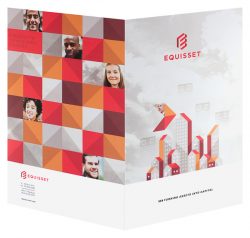
If the logline opens the door, the one-sheet makes the reader come in. This one-page summary must convey the essence of your story and demonstrate your professionalism.
Write your title, logline, and brief synopsis, genre, and a brief writer bio. Design does matter. Use simple fonts, good spacing, and, should you have a story to be told, a small picture or graphic to accompany your story. Creative Screenwriting Magazine claims that a good one-sheet can be used as a long-lasting takeaway that supports your verbal pitch.
When you are certain that you have all the necessary content, seal your one-sheet in a presentation folder instead of simply handing it over. It instantly appears more refined and formal, revealing thoughtfulness, confidence and respect for both your work and the person reading it.
Treatments & Supplemental Materials
You do not necessarily need to include a treatment or a detailed outline, but it is smart to have one if producers or executives request it. These papers give the readers a brief overview of the structure and tone of your story, demonstrating you have effectively mapped out your story in detail till the end.
Supplemental materials, such as character bios, topic summaries, or lookbooks, show preparation and flexibility. They demonstrate that you understand your story and can present it professionally in other formats.
Keep all documents concise, well-formatted, and consistent with the other documents in your packet. The fonts, spacing, and layout of the text should be consistent to achieve a cohesive, professional appearance.
Physical Package: Why Presentation Matters?
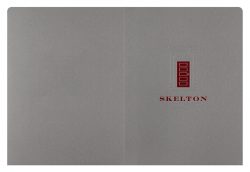
It’s not just what your materials say; it is the way in which you present them that matters. In a digital age, a thoughtfully designed physical package could be the thing that makes you instantly memorable, especially in face-to-face meetings where first impressions matter the most.
A nice presentation folder does more than hold your papers; it frames your work. It also protects and streamlines your logline, one-sheet, and treatment to make them appear planned and not hastily put together.
The simple act of opening a sturdy, high-quality folder sends a message of professionalism even before reading the words.
Include small professional details, like minimal branding, a sleek design, or a high-quality folder that can be felt. These details indicate concern and trust.
Practical tip: Folder sizes vary widely. Choosing a folder slightly larger than the paper size prevents bent edges, allows documents to slide in/out easily, and delivers a professional touch.
Making It Memorable: Branding Yourself as a Writer
You, too, are a brand, as a writer. All of your materials, including logline to one-sheet, must be uniform in their attachments and appearance. The same color schemes, fonts, and layout style are used across all documents to promote this identity and indicate that they pay attention to detail.
Even subtle decisions, like matching the font on your one-sheet with the title page of your script or a folder design that complements your story, can be significant. These touches help producers remember you when they have heard dozens of pitches, and this impression is created through visual and stylistic means.
When you treat your pitch materials as a branding activity, you transform a pile of papers into a unified, appealing package that not only tells your story but also conveys your professionalism and individual voice as a writer.
Common Mistakes to Avoid
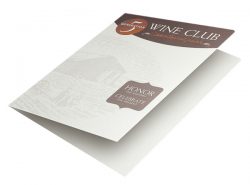
Presentation errors can be made even by experienced writers. Here are some common mistakes to avoid:
- Too Much Reading: Do not overload your packet. Make materials brief and to the point.
- Relying Only On Digital: Sometimes a physical leave-behind stands out and allows your work to be distinguished.
- Cheap or Flimsy Folders: Poor-quality material can undermine your professionalism, regardless of how well-written your script is.
- Forgetting the Basics: Ensure that you apply the correct size of the folder, watch out for typos, and keep all copies tidy and organized.
Each minute detail in your presentation speaks of your working style and demonstrates care, structure, and professionalism, which provide your story the opportunity to shine.
Conclusion
A great script is essential, but the packaging may open the right doors. Consider your pitch materials, much like the costume design of your screenplay: they don’t replace the story, but they enhance and complement it.
Every detail, such as your logline, one-sheet, and presentation folder, must be presented with the same talent and professionalism as your writing. With a great logline, a clear, understandable one-sheet and a well-designed, well-organized folder, you are not only pitching your script, you are actually selling yourself.
Careful and well-integrated content shows that you understand both the storytelling and business aspects of the industry. The presentation is not merely a decoration; rather, it is a mode of communication that shows you are a professional worth being listened to.

Join the Discussion!



Browse our Videos for Sale
[woocommerce_products_carousel_all_in_one template="compact.css" all_items="88" show_only="id" products="" ordering="random" categories="115" tags="" show_title="false" show_description="false" allow_shortcodes="false" show_price="false" show_category="false" show_tags="false" show_add_to_cart_button="false" show_more_button="false" show_more_items_button="false" show_featured_image="true" image_source="thumbnail" image_height="100" image_width="100" items_to_show_mobiles="3" items_to_show_tablets="6" items_to_show="6" slide_by="1" margin="0" loop="true" stop_on_hover="true" auto_play="true" auto_play_timeout="1200" auto_play_speed="1600" nav="false" nav_speed="800" dots="false" dots_speed="800" lazy_load="false" mouse_drag="true" mouse_wheel="true" touch_drag="true" easing="linear" auto_height="true"]







You must be logged in to post a comment Login