
Heated Rivalry: How a Low-Budget Canadian Hockey Drama Rewrote the Rules

Heated Rivalry is a six‑episode character drama from about two professional hockey players whose on‑ice rivalry masks a secret off‑ice relationship and all the issues it entails. The series follows Ilya Rozanov (Connor Storrie) and Shane Hollander (Hudson Williams) as their careers, personal ambitions, and public images constantly clash and are recalibrated. The story explores the consequences of secrecy, the pressures of playing elite sport, and the moral compromises that follow when private lives unwillingly become public and take the spotlight.
Development and Origins
The series began as an adaptation of Rachel Reid’s Game Changers novels and was developed for television by Jacob Tierney, who served as showrunner, main writer, and director. Tierney’s approach was simple: preserve the fidelity of the novels’ emotional core while restructuring plotlines for a snappy six‑episode arc.
The series premiered on Canada’s Crave streamer and was later acquired for U.S. distribution by HBO Max (now Max). That acquisition expanded the show’s visibility and placed it in front of a larger, international audience. A second season is currently in development. Audiences are eager.
Making The Series Outside Traditional Avenues
Heated Rivalry bypassed the traditional pilot‑to‑network studio pipeline and all the steps and compromises that they attract. Instead of pitching through multiple network development and production cycles, the project rapidly moved from a single creative champion into production with a smaller streamer willing to greenlight a budget-friendly, compact, risk‑taking series with something to say. That route allowed the creative team to retain tonal integrity and to make provocative editorial choices — explicitly realistic scenes, candid adult themes, and conversations striking a specific emotional register — that larger gatekeepers might have attenuated.
Marketing and audience growth of the show relied heavily on organic online amplification and word of mouth rather than splashy billboards and expensive interactive installations. Short clips, performance highlights, and social media engagement generated early awareness and solidly built out the fan base into an economically viable series.
When HBO Max acquired the U.S. rights and positioned the show prominently without an excessive advertising budget, the organic momentum obtained earlier converted into expanded visibility.
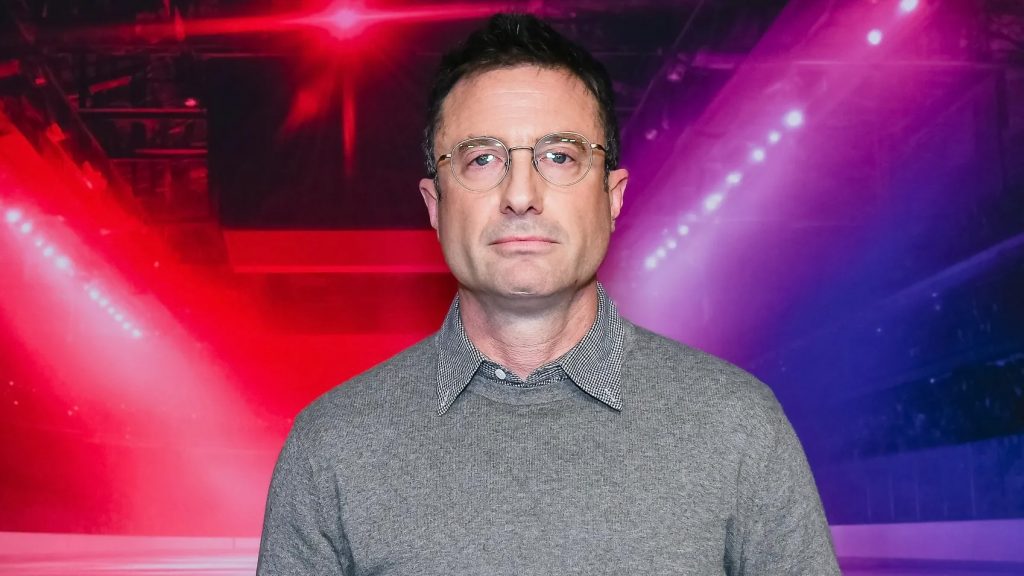
Jacob Tierney. Photo by Getty Images
Why Heated Rivalry Appeals Beyond LGBT Audiences
The series’ appeal outside traditional LGBT viewership rests on several factors:
- Not solely an LGBT Drama. Forbidden love is featured many times in various TV shows, whether they come from rival families, businesses, or sports teams. The romance between Ilya and Shane in this show translates into a breadth of scenarios outside of sexuality.
- Genre blend. The show blends sports drama, romance, soaps, and serialized character drama. Sports viewers engage with the hockey rivalry and rising competitive stakes; romance audiences follow the relationship arcs; prestige‑TV viewers respond to moral provocatoin and tonal risks. Multiple entry points increase the potential audience without diluting the story’s singularity. It’s a genre hybrid that doesn’t strive to be all things to all people.
- Focus on main characters. While other shows might tap into subplots of ensemble characters to bulk out the episode count, Heated Rivalry concentrates its dramatic focus on the central relationship.
- Universal themes. The central conflicts — secrecy, ambition, rivalry, and the tension between public image and private life — are widely accessible. These themes anchor the story in difficult human choices and textured moral complexity rather than identity alone.
- Tight writing. The on‑ice sports rivalry is a catalyst, not the main plot engine of the show. Scenes are written to reveal rising private stakes rather than to stage a screen spectacle. This elevates the series to feel more like an intense character study. This efficiency eliminates dramatic filler and forces every scene to carry narrative weight — character revelation, escalation, or reversal. The result is a denser, leaner, consistent emotional pulse, and more frequent edge-of-your-seat moments to keep viewers hooked.
- Social Relevance. The subject matter carries a social urgency and audience interactivity which feeds into wider cultural conversations both online and offline. The emotional intensity of the love story is both specific and broad.
Using Production Constraints To Elevate The Storytelling
From a writing craft perspective, Heated Rivalry is effective because it treats budgetary constraint as a structural advantage. Limited locations, a compressed shooting schedule, and a tight episode count encouraged the writers and directors to prioritize scene‑level stakes and character development over spectacle and flabby filler scenes.
Curiously, the six‑episode format is optimized for both binge and appointment viewing. Episodes are compact, tense, and cliffhanger‑driven, which encourages both communal viewing and subsequent social discussion.

Join the Discussion!
Related Articles
 ‘The Chair Company’ on HBO Max: How Tim Robinson & Zach Kanin Extended Sketch Comedy into a Streaming Series
- “Fall Into The Rhythm And You’ll Hit The Jokes” Jacob Tierney Talks ‘LetterKenny’
- “Mirror Mirror On The Wall. Who Is The Fairest Of Them All?” ‘Snow White’ Returns In A Live Action All Singing, All Dancing Disney Extravaganza



Browse our Videos for Sale
[woocommerce_products_carousel_all_in_one template="compact.css" all_items="88" show_only="id" products="" ordering="random" categories="115" tags="" show_title="false" show_description="false" allow_shortcodes="false" show_price="false" show_category="false" show_tags="false" show_add_to_cart_button="false" show_more_button="false" show_more_items_button="false" show_featured_image="true" image_source="thumbnail" image_height="100" image_width="100" items_to_show_mobiles="3" items_to_show_tablets="6" items_to_show="6" slide_by="1" margin="0" loop="true" stop_on_hover="true" auto_play="true" auto_play_timeout="1200" auto_play_speed="1600" nav="false" nav_speed="800" dots="false" dots_speed="800" lazy_load="false" mouse_drag="true" mouse_wheel="true" touch_drag="true" easing="linear" auto_height="true"]







You must be logged in to post a comment Login